Budgeting for Backpackers: How to Choose the Perfect Travel Backpack
Choosing the right travel backpack can make or break your budget adventure, whether you’re exploring Europe’s cobblestone streets or trekking through Southeast Asia’s bustling markets. A well-selected pack becomes your constant companion, carrying everything you need while staying comfortable during long travel days and meeting strict airline requirements.
The perfect backpack isn’t just about space – it’s about finding the sweet spot between capacity, comfort, durability, and price. With budget travelers facing unique challenges like frequent airline changes, varied weather conditions, and the need for security features, your pack selection deserves careful consideration.
Size & Capacity Considerations for Your Travel Backpack
The ideal travel backpack size depends entirely on your trip length, destination climate, and personal packing style. Most budget travelers find their sweet spot between 40-65 liters, offering enough space without becoming unwieldy during long travel days.
Carry-on backpack restrictions vary significantly between airlines, but most budget carriers enforce strict size limits. European budget airlines like Ryanair allow maximum dimensions of 55cm x 40cm x 20cm, while Asian carriers often permit slightly larger packs. Always check specific airline requirements before purchasing.
Consider your travel style when selecting capacity. Frequent hostel stays with laundry access allow smaller packs, while camping or staying in remote areas demands additional gear space. Avoiding baggage fees becomes crucial for budget travelers, making carry-on sized packs incredibly valuable.
Comfort & Strap Systems
Comfort features separate quality travel backpack options from cheap alternatives that’ll leave you sore after airport marathons. Look for padded shoulder straps, adjustable chest and hip belts, and proper load distribution systems.
Hip belts transfer pack weight from your shoulders to your stronger hip muscles, essential for packs over 35 liters. Quality chest straps prevent shoulder strap slippage and improve stability during movement. Adjustable torso lengths accommodate different body sizes, particularly important for women’s-specific designs.
Ventilation systems like mesh back panels or suspended designs reduce sweating during hot climate travel. While these features add slight weight, the comfort improvement proves worthwhile during extended wear periods.
Essential Features & Pocket Organization
Smart organization features distinguish great backpacks from basic models. Front-loading access allows easier packing compared to top-loading designs, crucial when living out of your pack for extended periods.
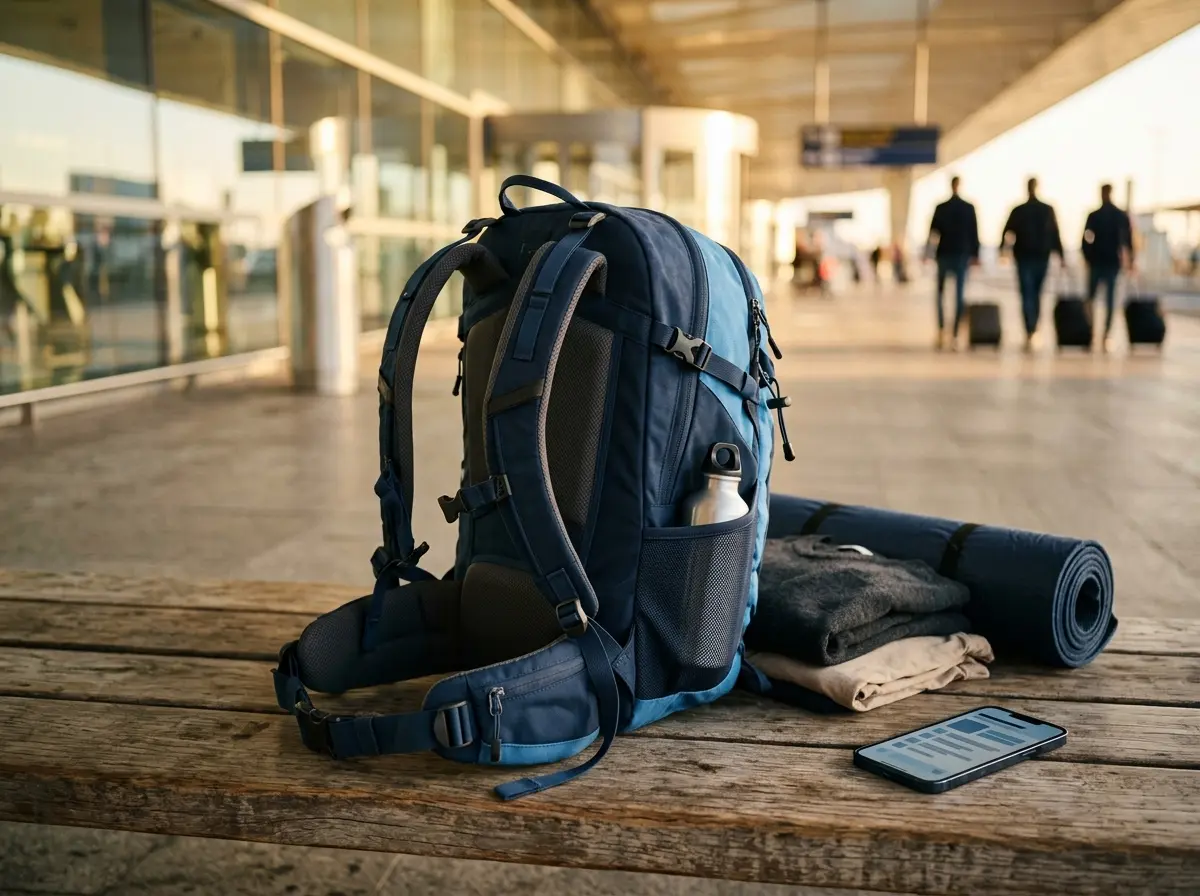
Multiple compartments help organize different item categories. Separate laptop compartments protect electronics during rough transport, while side pockets provide quick access to water bottles and snacks. Internal organization pockets keep small items from disappearing into pack depths.
Compression straps reduce pack bulk when not fully loaded and secure external gear like sleeping bags or jackets. External attachment points accommodate additional equipment without compromising internal space.
Ready to book your next adventure?
Search live flight prices — powered by Aviasales
Search Flights Now →Weight & Material Durability
Pack weight becomes critical when airlines enforce strict weight limits. Quality materials balance durability with lightweight construction, typically using ripstop nylon or polyester fabrics with reinforced stress points.
Denier ratings indicate fabric thickness – higher numbers mean more durability but increased weight. Most quality packs use 210-420 denier fabric, providing good durability without excessive bulk. Reinforcements at high-wear areas like pack bottoms and strap attachment points extend lifespan significantly.
Water-resistant treatments protect contents during unexpected weather, though dedicated rain covers provide better protection. YKK zippers offer superior durability compared to generic alternatives, reducing failure risks during extended travel.
Brand Comparisons for Budget Travelers
Budget backpack brands offer varying quality levels and price points. Osprey provides excellent warranties and build quality but commands premium prices. Deuter offers German engineering at moderate prices, while brands like Venture Pal provide basic functionality at ultra-low costs.
Mid-range options like Kelty, REI Co-op, and Patagonia balance features with affordability. These brands often provide better long-term value through improved durability and customer service compared to ultra-cheap alternatives.
| Brand Category | Price Range | Durability | Best For |
|---|---|---|---|
| Budget ($30-60) | Venture Pal, AmazonBasics | 6-12 months | Short trips, occasional use |
| Mid-Range ($80-150) | Kelty, REI Co-op | 2-5 years | Regular travelers, good warranties |
| Premium ($180-300) | Osprey, Deuter, Patagonia | 5-10+ years | Frequent travelers, harsh conditions |
| Recommendation | Mid-range for best value |
Consider cost-per-use when evaluating options. A $150 pack lasting five years costs less daily than a $50 pack requiring annual replacement. Essential budget travel gear should prioritize long-term value over initial savings.
Price Ranges & Value Analysis
Quality travel backpack pricing reflects materials, construction, and features. Entry-level packs ($30-60) suit occasional travelers but often lack durability for extended use. Mid-range options ($80-150) provide the best value proposition for most budget travelers.
Premium packs ($180-300+) offer advanced features and superior durability but may exceed budget traveler needs. Focus on essential features rather than premium additions like integrated rain covers or complex suspension systems.
Factor in warranty coverage when comparing prices. Brands offering repair services or replacement guarantees provide additional value through extended useful life and customer support.
Airline Requirements & Carry-on Rules
Airline-approved backpack dimensions vary significantly between carriers, making universal compliance challenging. Budget airlines typically enforce stricter limits than full-service carriers, with some restricting carry-on to underseat storage only.
Most international airlines accept packs measuring 55cm x 35cm x 25cm or smaller. However, regional carriers and budget airlines often impose smaller limits. Always verify current restrictions before travel, as policies change frequently.
Weight limits prove equally important, typically ranging from 7-10kg for carry-on luggage. Factor in pack weight when calculating gear capacity – a 3kg pack leaves only 4-7kg for contents within typical limits.
Maintenance & Care Tips
Proper backpack maintenance extends lifespan and maintains performance throughout extended travel. Regular cleaning prevents dirt buildup that can damage fabrics and zippers over time.
Clean packs using mild soap and warm water, avoiding harsh detergents that can damage water-resistant coatings. Air dry completely before storage to prevent mold and mildew growth. Treat zippers with silicone spray or wax to maintain smooth operation.
Store packs in cool, dry locations away from direct sunlight. UV exposure degrades synthetic materials over time, reducing durability and water resistance. Stuff packs loosely during storage to maintain shape and prevent permanent creasing.
Security Features for Budget Travelers
Backpack security features provide crucial protection for budget travelers staying in shared accommodations or using public transportation. Lockable zippers deter opportunistic theft, while hidden pockets secure valuables away from easy access.
RFID-blocking pockets protect electronic payment cards and passports from wireless skimming attempts. While not foolproof, these features add security layers that discourage casual theft attempts.
Slash-resistant materials and reinforced construction prevent knife attacks on pack fabric. While extreme, these features prove valuable in high-crime areas or crowded transport situations where theft attempts occur.
Multi-Destination Packing Strategies
Successful multi-destination travel demands flexible packing strategies that adapt to varying climates and activities. Layering systems allow clothing adaptation without carrying separate outfits for each destination.
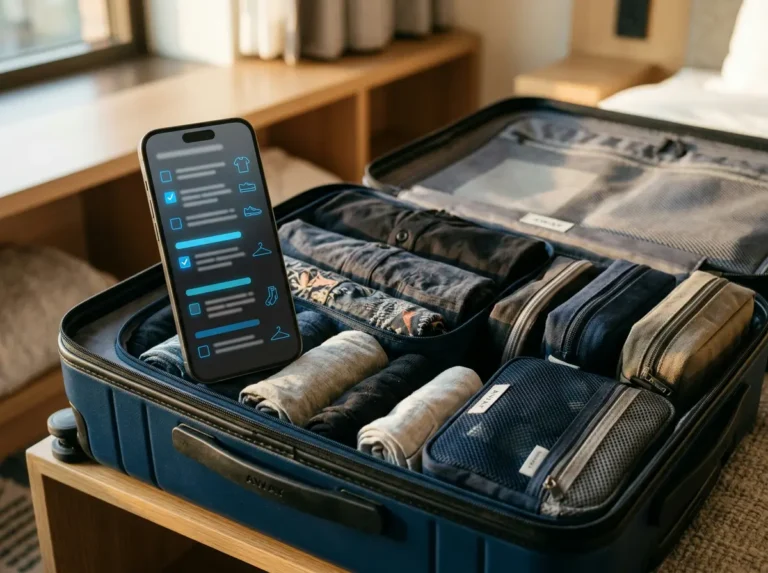
Packing cubes organize contents by category or destination, enabling quick access without unpacking entire bag contents. Compression cubes further reduce bulk when moving between destinations with different gear requirements.
Solo travel strategies often emphasize versatile gear selection that serves multiple purposes. Choose items that work in various situations rather than destination-specific equipment.
Consider seasonal variations when planning multi-destination trips. Transitioning from tropical to temperate climates requires adaptable gear selection and strategic packing approaches.