The Ultimate Hiking Guide for Beginners: Tips & Essential Gear
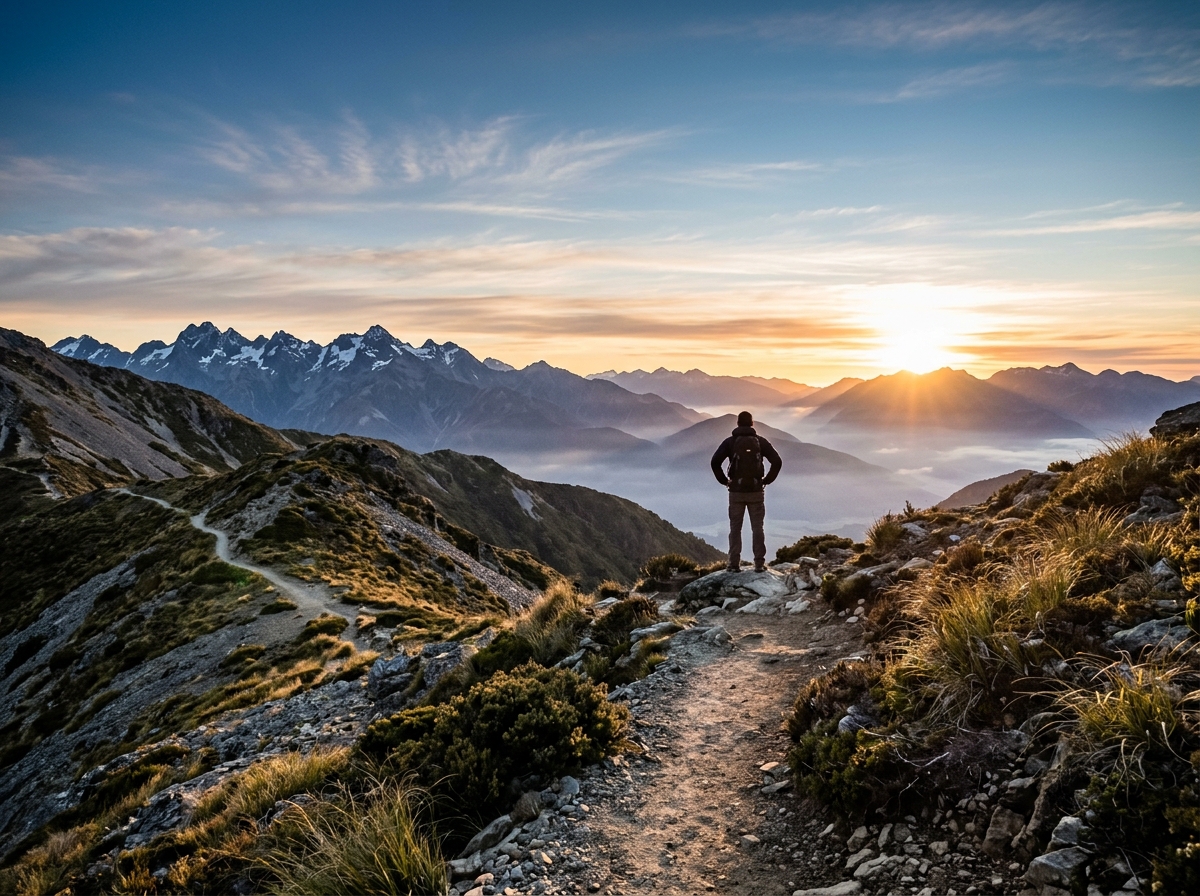
Embracing hiking as your next travel adventure doesn’t have to drain your bank account. While the great outdoors calls with its pristine trails and breathtaking vistas, many travelers mistakenly believe that quality hiking experiences require expensive gear and guided tours. This common misconception keeps countless budget-conscious explorers from experiencing nature’s wonders firsthand.
The truth is that with some strategic planning and insider knowledge, you can enjoy magnificent hiking journeys without overspending. From domestic footpaths to international trekking destinations, budget-friendly options exist for every level of hiking enthusiast. This guide reveals seven essential money-saving strategies that will transform how you approach your next outdoor expedition.
Budget Hiking Gear: Essentials Without Breaking the Bank
Quality hiking equipment doesn’t necessarily mean the most expensive options. The outdoor industry often markets premium-priced gear, but savvy adventurers know that functionality trumps brand names. When assembling your hiking essentials, focus on these budget-friendly approaches:
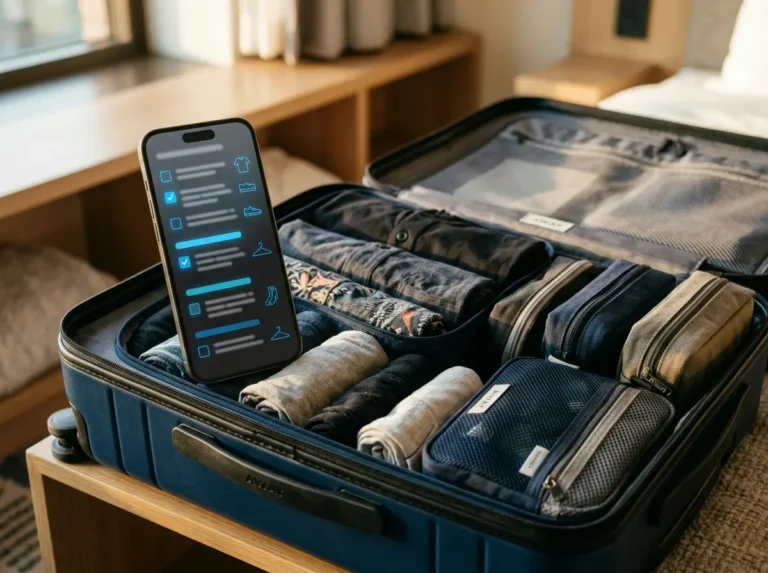
Start with the genuine necessities rather than accumulating everything at once. For day hikes, your critical items include proper footwear, weather-appropriate clothing, a backpack, water storage, and basic navigation tools. Multi-day excursions will require additional items, but these can be acquired gradually as you progress in your hiking journey.
Secondhand gear markets provide exceptional value. Websites like REI’s Used Gear, Geartrade, and local outdoor gear exchanges offer lightly-used equipment at substantial discounts. Many hikers upgrade their gear regularly, meaning you can find nearly-new items at 30-70% off retail prices.
Timing your purchases strategically yields significant savings. The best deals typically appear during end-of-season clearances (January/February for winter gear, August/September for summer equipment) and holiday sales events like Black Friday and Memorial Day. Many retailers also offer substantial discounts when new models arrive, making previous-generation gear much more affordable.
Essential Gear Checklist: Budget Options
- Backpack: Decathlon and REI Co-op house brands offer functional packs ($40-80) that compete with premium models
- Rain protection: Frogg Toggs and similar budget rainwear ($20-40) provide adequate protection without Gore-Tex pricing
- Water storage: Standard plastic bottles can replace expensive hydration systems, saving $20-30
- Hiking poles: Affordable aluminum options ($25-40/pair) provide nearly identical benefits to carbon fiber models costing 3-4 times more
- Safety essentials: Basic first aid kits ($15-25) can be supplemented with household items rather than specialized kits
The cumulative savings from these budget-conscious choices can easily exceed $300-500 compared to purchasing premium-branded alternatives—all without compromising safety or comfort on the trail. This approach makes hiking accessible for travelers on nearly any budget while still ensuring proper preparation.
How to Choose Hiking Boots That Last Without Overspending
Your footwear represents the most crucial gear investment for any hiking adventure. While premium hiking boots often command prices exceeding $200, understanding what truly matters in boot construction allows you to find durable, comfortable options for substantially less.
When evaluating hiking footwear, prioritize these functional aspects over marketing claims:
- Fit matters more than brand: Even budget boots that fit properly will outperform expensive ill-fitting models
- Match boot type to terrain: Light trail shoes for established paths, mid-cut boots for moderate terrain, heavy-duty boots only for rough backpacking
- Materials affect longevity: Look for reinforced stitching and rubber toe caps even in budget models
- Waterproofing considerations: Waterproof membranes add $30-50 to the price—necessary only for consistently wet conditions
Several manufacturers consistently produce reliable hiking footwear at budget-friendly price points. Brands like Merrell, Columbia, and Keen frequently offer entry-level hiking boots in the $80-120 range that provide performance comparable to models costing significantly more. These companies achieve cost savings primarily through less expensive materials and simpler production techniques rather than reducing essential features.
Proper care dramatically extends the lifespan of budget hiking footwear. After each hiking trip, remove dirt with a soft brush, allow natural drying (never use direct heat), and periodically treat leather portions with appropriate conditioners. These simple maintenance steps can double the useful life of your boots, making even budget models a sound investment for multiple hiking seasons.
Free Trail Resources and Budget-Friendly Navigation Options
Navigation resources represent an area where technological advances have created both premium-priced options and completely free alternatives of comparable quality. Modern hikers can access comprehensive trail maps and guides without spending a single dollar through these channels:
Free Hiking Apps That Rival Paid Options
The mobile app landscape offers several free options with functionality that matches or exceeds $10-30 paid applications:
- AllTrails Basic: Free version provides searchable database of trails worldwide with user reviews
- Gaia GPS Basic: Limited but functional free version of this popular navigation app
- Google Maps: Offline downloading of areas works surprisingly well for established trails
- National park service apps: Official apps for many parks include complete trail maps
Government resources often provide the most accurate and detailed trail information available. National forest and park websites typically offer printable trail maps as free PDFs that match or exceed the quality of commercially-produced versions costing $10-15. Local conservation departments frequently provide similar resources for state and regional trails.
Local expertise can substitute for expensive guided experiences. Many hiking destinations feature free ranger-led interpretive hikes that provide educational value exceeding paid tours. Additionally, visitor centers often offer free naturalist consultations where staff will suggest appropriate trails based on your experience level and interests.
Digital trail resources save both money and pack weight. Before departing on your journey, take screenshots of critical trail junctions and save offline maps to your phone. This approach provides navigation confidence without purchasing paper maps or dedicated GPS devices—though always carry a small backup battery for your device and know basic navigation principles as a safety precaution.
3 Affordable Hiking Destinations Worth Your Travel Dollars
While iconic hiking destinations like Patagonia and the Swiss Alps command premium prices, numerous breathtaking alternatives offer comparable natural beauty at a fraction of the cost. These three destinations deliver exceptional value for budget-conscious hiking enthusiasts:
Southern Illinois: Shawnee National Forest
The midwestern United States harbors a hidden gem in Southern Illinois’ Shawnee National Forest. This 280,000-acre wilderness features dramatic rock formations, dense forests, and picturesque waterfalls without the crowds or costs associated with more famous national parks.
Budget travelers appreciate the forest’s accessible trail system, with highlights including:
- Garden of the Gods: Spectacular sandstone formations with panoramic views
- Little Grand Canyon: Dramatic 365-foot deep canyon with challenging trails
- River-to-River Trail: 160-mile route crossing the entire forest (perfect for section hiking)
Accommodations near Shawnee National Forest range from free dispersed camping (with permit) to budget-friendly cabins ($45-75/night). Nearby towns like Harrisburg and Carbondale offer affordable meals and supplies, with typical daily expenses under $75 for budget travelers.
Lake Havasu City, Arizona: Desert Mountain Trails
While Arizona’s Grand Canyon draws millions of visitors annually, the Lake Havasu region offers equally impressive desert landscapes with significantly lower costs. This area combines stunning water views with challenging mountain terrain, creating unique hiking experiences suitable for various skill levels.
Key trails in the Lake Havasu region include:
- SARA Park Crack: Slot canyon experience with moderate difficulty
- Livingston Hills: Panoramic desert views with minimal elevation gain
- Water Tank Trail: Scenic ridgeline route with Colorado River vistas
Budget accommodations around Lake Havasu include campgrounds ($15-30/night), affordable motels ($65-90/night), and BLM land offering free dispersed camping options. The shoulder seasons (October-November and March-April) provide ideal hiking temperatures and lower accommodation rates compared to peak winter months.
Utah’s State Parks: Beyond the National Parks
Utah’s national parks receive tremendous attention, but the state’s less-visited state parks offer comparable scenery with entrance fees typically 50-70% lower. These parks feature fewer crowds and more affordable nearby accommodations while delivering the iconic red rock landscapes Utah is famous for.
Outstanding Utah state parks for hiking include:
- Dead Horse Point State Park: Colorado River views rivaling those in Canyonlands
- Goblin Valley State Park: Unique hoodoo formations and family-friendly trails
- Kodachrome Basin State Park: Colorful spires and 27 miles of uncrowded trails
For maximum savings in Utah, consider solo travel strategies like camping in state park campgrounds ($20-30/night) or staying in small towns like Torrey, Panguitch or Green River where motel rates often run 40-60% less than in gateway communities near national parks. Many trails in these areas rival their more famous counterparts without the associated crowds or costs.
For international hikers seeking affordable European trails, consider budget-friendly hiking in the Faroe Islands where public transportation connects numerous trailheads. Similarly, Croatia offers exceptional hiking value along its mountain trails with affordable accommodations in smaller towns.
Seasonal Hiking Tips to Maximize Your Experience
Timing your hiking adventures strategically based on seasonal considerations delivers dual benefits: better experiences and reduced costs. Each season offers distinct advantages for budget-conscious hikers when approached with proper preparation.
Budget Advantages of Off-Peak Hiking
Popular hiking destinations experience dramatic pricing fluctuations throughout the year. By targeting the edges of high season or embracing off-season opportunities, travelers can realize significant savings:
- Shoulder season discounts: Accommodation rates often drop 30-50% immediately before or after peak periods
- Flight savings: Mid-week departures during non-holiday periods can reduce airfare by 20-40%
- Negotiation leverage: Local guides and services offer better rates during slower periods
- Permit availability: Many sought-after trails have easier reservation processes outside peak times
While saving money represents one advantage, seasonal trail experiences differ significantly in terms of natural conditions. Each period offers distinctive highlights that budget travelers can leverage:
- Spring: Abundant wildflowers, waterfalls at peak flow, moderate temperatures in desert regions
- Early Summer: High mountain access begins, longer daylight hours, wildlife activity
- Late Summer/Early Fall: Fewer insects, stable weather patterns, berry harvesting opportunities
- Late Fall: Spectacular foliage, clear visibility, cooler temperatures for challenging hikes
- Winter: Solitude on popular trails, unique snow formations, absence of problematic insects
Adapting your gear and preparation to seasonal variations represents the key challenge for budget hiking across different periods. Rather than purchasing specialized equipment for each season, consider these cost-effective adaptations:
Seasonal preparation extends beyond clothing to practical considerations that enhance safety while minimizing expenses. Research seasonal hazards specific to your destination (monsoon patterns, avalanche risk periods, etc.) and adjust your hiking schedule to avoid conditions requiring specialized equipment or training. This approach allows you to experience diverse environments throughout the year without accumulating season-specific gear that sees limited use.
Budget-Friendly Trail Food Strategies
Food costs represent a significant yet often overlooked aspect of hiking budgets. Pre-packaged hiking meals typically cost $8-15 per serving—a substantial expense for multi-day excursions. Implementing these alternative approaches drastically reduces food expenses while maintaining nutritional quality:
DIY Trail Meal Preparation
Creating your own trail meals offers cost savings of 60-75% compared to commercial alternatives. The key to successful DIY hiking food lies in understanding the fundamentals rather than replicating expensive packaged options:
- Calorie density: Focus on foods providing 100+ calories per ounce
- Minimal preparation: Choose items requiring only hot water or no cooking
- Diverse nutrition: Balance carbohydrates, proteins and fats
- Extended shelf stability: Select items remaining safe without refrigeration
Budget-friendly base ingredients for trail meals include instant rice, couscous, dehydrated beans, nuts, dried fruits, and powdered milk. These staples cost a fraction of specialized hiking foods while providing comparable nutrition. For example, a homemade breakfast of instant oatmeal, powdered milk, nuts, and dried fruit costs approximately $1.50 per serving compared to $6-8 for commercial breakfast pouches.
Shopping strategies further maximize food savings. Purchase bulk ingredients from discount retailers or online suppliers rather than outdoor specialty stores, where identical items often carry 200-300% markups. Additionally, many grocery stores offer clearance sections where energy bars and trail-friendly snacks appear at significant discounts when approaching expiration dates (while still remaining safe for upcoming trips).
| Trail Food Category | Commercial Cost | DIY Alternative | DIY Cost | Savings |
|---|---|---|---|---|
| Breakfast | $7-9 | Oatmeal with additions | $1-2 | ~80% |
| Lunch | $8-10 | Tortillas, cheese, nuts | $2-3 | ~75% |
| Dinner | $12-15 | Couscous, jerky, veggies | $3-4 | ~70% |
| Snacks | $8-12 | Trail mix, dried fruit | $2-4 | ~65% |
| Energy bars | $3-5 each | Homemade energy balls | $0.50-1 each | ~80% |
| Daily Total | $38-51 | $8.50-14 | ~75% |
Water purification represents another area where knowledge substitutes for expensive solutions. While commercial water filters cost $40-100, budget alternatives like purification tablets ($10-15 for 50+ liters) or boiling (free with existing cook gear) provide equally safe water. Understanding the actual water conditions at your destination helps determine whether premium filtration systems offer necessary benefits or simply add unnecessary expense.
Transportation Savings: Reaching Trails Without a Rental Car
Transportation often constitutes the largest expense in a hiking trip budget, particularly for international destinations where rental cars command premium rates. Savvy hikers leverage these alternatives to drastically reduce transportation costs:
Public Transit Access to Notable Hiking Areas
Many remarkable hiking regions worldwide feature surprisingly good public transportation connections that remain underutilized by tourists. Research these options before defaulting to expensive car rentals:
- National park shuttle systems: Parks like Zion, Yosemite and Grand Canyon offer comprehensive internal transportation
- Regional bus networks: Countries including Switzerland, New Zealand and Japan maintain extensive service to hiking trailheads
- Train-to-trail routes: Railway lines in destinations like Norway, Scotland and the Alps often parallel premier hiking corridors
For destinations lacking formal public transit, alternative approaches provide budget-friendly access. Services like Find free walking tours can help identify local hiking groups that offer transportation sharing. Similarly, hostel bulletin boards and hiking forums frequently feature ride-sharing opportunities where travelers split fuel costs to access trailheads.
Itinerary design plays a crucial role in transportation savings. Planning linear hikes between transportation nodes (rather than loops returning to the same point) maximizes the utility of public transit options. Similarly, selecting accommodations near transportation hubs minimizes the need for additional transfers, saving both money and time.
Trail-accessible accommodations represent another cost-saving approach. Many hiking destinations feature budget lodging options located directly on or near popular trails. These range from mountain huts in European alpine regions to hostels along long-distance paths and campgrounds adjacent to national park trail networks. Such accommodations eliminate daily transportation needs entirely, allowing hikers to begin each day directly from their overnight location.
Hiking Photography Without Expensive Gear
Capturing your hiking experiences doesn’t require specialized equipment costing hundreds or thousands. Modern smartphone cameras produce exceptional results when used with these techniques:
- Shoot during golden hours (early morning/late afternoon) when lighting enhances natural colors
- Use burst mode for action shots on challenging terrain
- Leverage HDR mode for high-contrast mountain landscapes
- Frame shots with natural elements (trees, rocks) to create depth
- Capture scale by including fellow hikers (with permission) in landscape shots
These approaches deliver professional-quality memories without investing in specialized camera equipment that adds weight to your pack and anxiety about damage on the trail. The best camera for hiking remains the one you’ll actually carry and use consistently throughout your journey.
By implementing these seven budget strategies throughout your hiking adventures, you’ll discover that exceptional outdoor experiences remain accessible regardless of your financial constraints. The true value of hiking lies not in expensive equipment or premium guided services, but in the connection with natural environments and the personal accomplishment of navigating challenging terrain through your own efforts.
This article may contain affiliate links. If you click through and make a purchase, we may receive a small commission at no extra cost to you. All opinions remain our own.