
How to Find Authentic Local Food and Avoid Tourist Traps
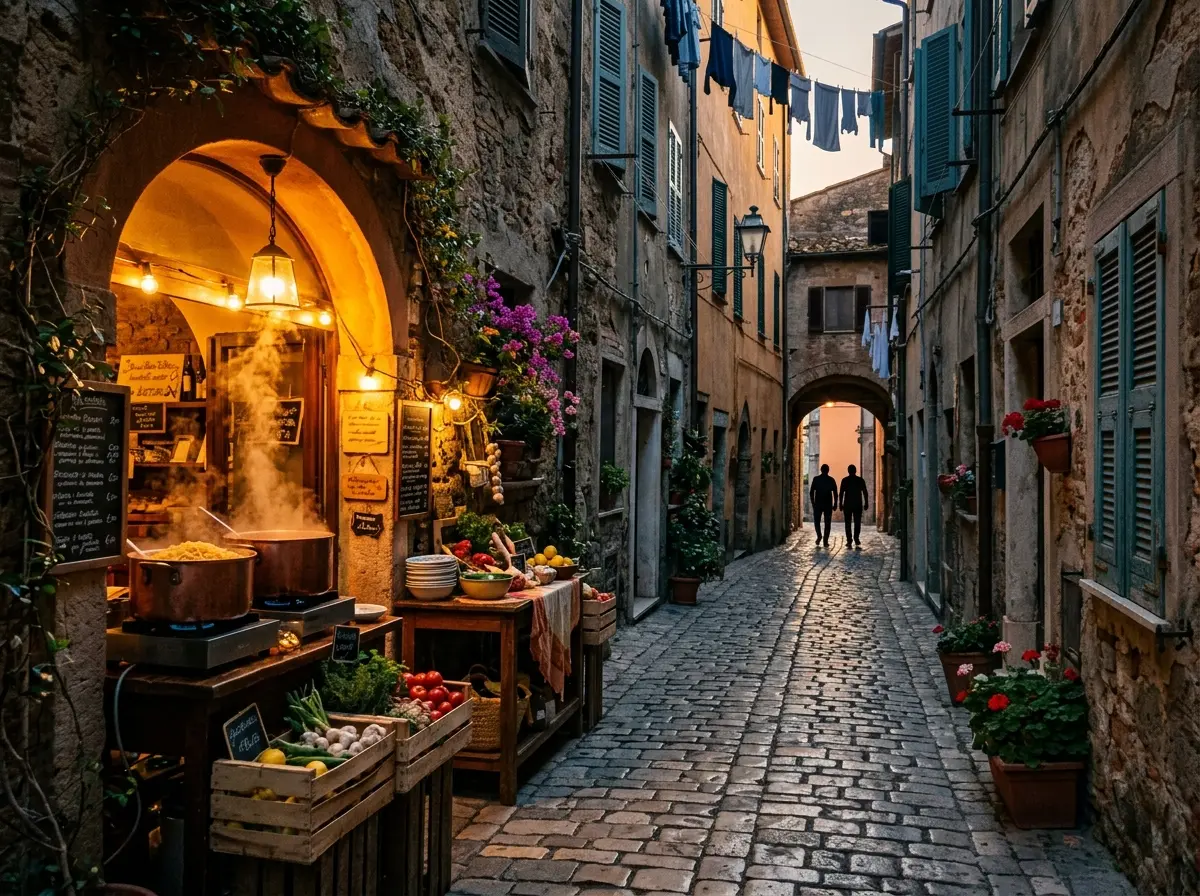
Learning how to avoid tourist traps is one of the most valuable skills any traveler can develop, especially when it comes to finding authentic local food that doesn’t break your budget. Every year, millions of travelers fall into the same expensive dining mistakes, paying premium prices for mediocre meals simply because they don’t know the warning signs.
The difference between a tourist trap and an authentic local gem often comes down to knowing what to look for. While that restaurant with English menus right next to the Colosseum might seem convenient, you’ll likely pay three times more for half the quality compared to the neighborhood trattoria just a few blocks away where locals actually eat.
Warning Signs of Tourist Trap Restaurants
The most obvious red flags when trying to avoid tourist traps are often hiding in plain sight. Restaurants that aggressively target tourists typically share several common characteristics that savvy travelers learn to spot immediately.
Picture menus with photos of every dish are usually your first warning sign. Authentic local establishments rarely need glossy photos to attract customers – their reputation speaks for itself. Similarly, menus translated into multiple languages, especially with grammatical errors, often indicate a focus on tourist volume rather than food quality.
Location proximity to major attractions is another crucial factor. That pasta place 50 meters from the Trevi Fountain charging €25 for spaghetti carbonara is banking on foot traffic, not repeat customers. London’s best family-friendly restaurants are typically found in residential neighborhoods, not tourist zones.
Empty restaurants during peak dining hours should raise immediate concerns. If locals aren’t eating there at 1 PM or 8 PM, there’s probably a good reason. Trust the wisdom of residents who know where to find quality food at fair prices.
Research Methods Before You Travel
Smart preparation is your best defense against overpriced tourist restaurants. Before your trip, invest time in researching authentic dining options that offer genuine local experiences without the inflated prices.
Start by exploring food blogs written by locals or long-term residents rather than travel influencers passing through. Local food writers know the hidden gem restaurants that tourists typically miss. Search for phrases like “where locals eat” combined with your destination name for more authentic recommendations.
Social media platforms can reveal authentic spots through geolocation tags. Check Instagram posts from local users, not tourists, to see where residents actually dine. Pay attention to photos showing busy local crowds rather than posed tourist shots.
Budget travel forums and communities provide invaluable insights from experienced travelers who’ve mastered the art of affordable travel in destination. Traveling under $500 becomes much easier when you know where locals eat daily rather than where tourists splurge occasionally.
Observing Local Dining Patterns
Understanding how locals behave around food gives you powerful insights for finding authentic experiences while avoiding the typical tourist trap alternatives that prey on uninformed visitors.
Pay attention to local meal times, which vary significantly by culture. In Spain, lunch happens around 2-3 PM, while dinner starts after 9 PM. Restaurants serving “authentic paella” at 6 PM are clearly targeting tourists who don’t understand Spanish dining customs.
Observe where groups of local workers eat lunch. Construction workers, office employees, and delivery drivers know where to find good, cheap food quickly. Follow their lead to discover affordable street food and casual restaurants that focus on value rather than tourist appeal.
Notice the age demographics in restaurants. Places filled entirely with tourists under 30 taking photos often prioritize Instagram aesthetics over food quality. Restaurants with multi-generational local families dining together typically offer better authentic experiences and fair pricing.
Watch for local shopping patterns at food markets. Residents shop for ingredients at specific times and stalls, avoiding the tourist-oriented vendors selling overpriced “local specialties.” Follow their lead to find genuine local markets with reasonable prices.
Strategic Timing for Better Deals
Timing your dining experiences strategically helps you access authentic local experiences while avoiding peak tourist pricing and crowds that drive up costs at popular establishments.
Off-season dining provides significant advantages beyond just lower accommodation costs. When fewer tourists visit, restaurants rely more heavily on local customers, often improving quality and reducing prices to compete for resident business.
Weekday dining typically offers better value than weekends when both tourists and locals crowd popular spots. Tuesday through Thursday often provide the best balance of quality service and reasonable prices at authentic establishments.
Early lunch and late dinner times help you avoid tourist rushes while accessing the same quality food at potentially lower prices. Many restaurants offer lunch specials or early bird pricing that tourists miss by dining at conventional times.
Market timing matters significantly for street food and local specialties. Visit food markets early morning when vendors are setting up or late afternoon when they’re clearing inventory – both times often feature better prices and fresher selections.
Location-Based Food Finding Tips
Geographic strategy plays a crucial role in discovering top local recommendations while staying away from non touristy places that offer genuine cultural experiences at honest prices.
Venture beyond the immediate tourist zones but not so far that you’re lost. The sweet spot is typically 3-5 blocks away from major attractions where rent is lower but the area remains safe and accessible for dining adventures.
Residential neighborhoods with local schools, offices, and community centers often house hidden gem restaurants that cater primarily to residents. These areas naturally filter out most tourists while maintaining quality establishments.
Transportation hubs like bus stations and train terminals often feature neighborhood cafes serving commuters rather than tourists. These spots prioritize speed, value, and consistency – perfect for budget-conscious travelers seeking authentic quick meals.
Hostel neighborhoods frequently develop dining ecosystems that cater to budget travelers and local residents simultaneously. Skip-the-line attractions work well with hostel-area restaurants since both focus on efficiency and value.
Understanding Local Price Indicators
Developing an understanding of fair local pricing helps you identify reasonable deals while recognizing when restaurants are targeting tourists with inflated costs for standard dishes.
Research basic food prices at local supermarkets to establish baseline costs for ingredients. If a restaurant charges significantly more than what those ingredients would cost retail, you’re likely in tourist territory rather than an authentic local establishment.
Compare menu prices between tourist areas and residential districts for the same dishes. Authentic local food should cost roughly the same across different neighborhoods, with only slight variations for rent and overhead differences.
Street food pricing provides excellent benchmarks for reasonable meal costs. If a sit-down restaurant charges five times more than street vendors for similar dishes, you’re paying for location and atmosphere rather than food quality or authenticity.
Local currency pricing versus tourist-friendly pricing often reveals a restaurant’s target market. Establishments that price in round numbers of foreign currencies (like $10 USD instead of local equivalent) typically cater to tourists rather than residents.
Menu Analysis Techniques
Learning to read restaurant menus like a local helps you identify authentic establishments while avoiding the obvious tourist trap alternatives that prioritize profit over culinary tradition.
Seasonal menus indicate restaurants that source ingredients locally and adapt to what’s available and affordable. Places with identical menus year-round likely rely on imported or processed ingredients to maintain consistency for tourist expectations.
Limited menu options often signal specialization and expertise rather than trying to appeal to every possible tourist preference. The best local establishments typically excel at a few signature dishes rather than offering everything under the sun.
Menu descriptions provide important clues about authenticity. Overly elaborate descriptions of simple dishes often indicate tourist-focused establishments, while straightforward menu language suggests confidence in the food itself.
Daily specials written on chalkboards or announced verbally typically use fresh, local ingredients and represent better value than standard menu items designed for consistent tourist appeal throughout the season.
Pricing consistency across similar dishes helps identify fair establishments. Restaurants that charge wildly different prices for comparable items might be testing what tourists will pay rather than following logical cost structures.
Free Walking Tours and Local Insights
One of the best ways to discover authentic dining spots is through free walking tours led by knowledgeable locals. These guides often share insider tips about where residents actually eat, helping you avoid the obvious tourist traps while discovering genuine neighborhood favorites.
Tour guides frequently recommend less crowded attractions and authentic experiences that complement great local dining. They understand which areas offer the best value for budget-conscious travelers seeking cultural immersion rather than tourist convenience.
Layover Dining Strategies
Flight layovers present unique opportunities to experience authentic local food without falling into expensive airport tourist traps that prey on captive audiences with limited time and options.
Research airport train connections before your layover to identify nearby neighborhoods accessible within your time constraints. Many international airports connect directly to city centers, allowing quick authentic dining experiences between flights.
Airport food courts increasingly feature local restaurant chains rather than international franchises. Look for outlets that also operate in the city center – these often provide genuine tastes of local cuisine at relatively fair prices.
Budget Accommodation Dining Areas
The neighborhoods surrounding budget accommodations like hostels and guesthouses naturally develop dining ecosystems that serve price-conscious travelers and local residents with similar spending patterns.
These areas typically feature a mix of authentic local restaurants and budget-friendly international options that cater to backpackers. The competition keeps prices reasonable while maintaining quality standards that satisfy both groups.
Hostel common areas and reception desks often provide informal restaurant recommendations from staff and fellow travelers who’ve already tested local options for quality and value.
Market-to-Table Experiences
Local food markets provide the ultimate authentic experience while offering the best prices for fresh, seasonal ingredients prepared by vendors who’ve perfected their specialties over years of serving local customers.
Morning markets feature the freshest selections and often the best prices as vendors compete for early customers. Many markets also include prepared food stalls that serve breakfast and lunch to local workers and residents.
Evening markets in Asia and Latin America create vibrant street food scenes where families gather for affordable dinners. These represent some of the most authentic and budget-friendly dining experiences available to travelers.
Off-Season Advantages
Traveling during shoulder or off-seasons provides significant advantages for authentic dining experiences, as restaurants focus more on local customers when tourist volume decreases.
Restaurants often introduce special menus or promotions during slower periods to attract local diners. These offerings typically provide better value and more authentic experiences than peak-season tourist menus.
Staff at restaurants have more time to engage with customers during off-peak periods, often leading to better service and insider recommendations about other local dining spots worth exploring.
Disclosure: This article contains affiliate links. When you book through our links, we earn a small commission at no extra cost to you. This helps us keep providing free travel guides and tips.