Discover the Faroe Islands: The Best Hidden Travel Destination
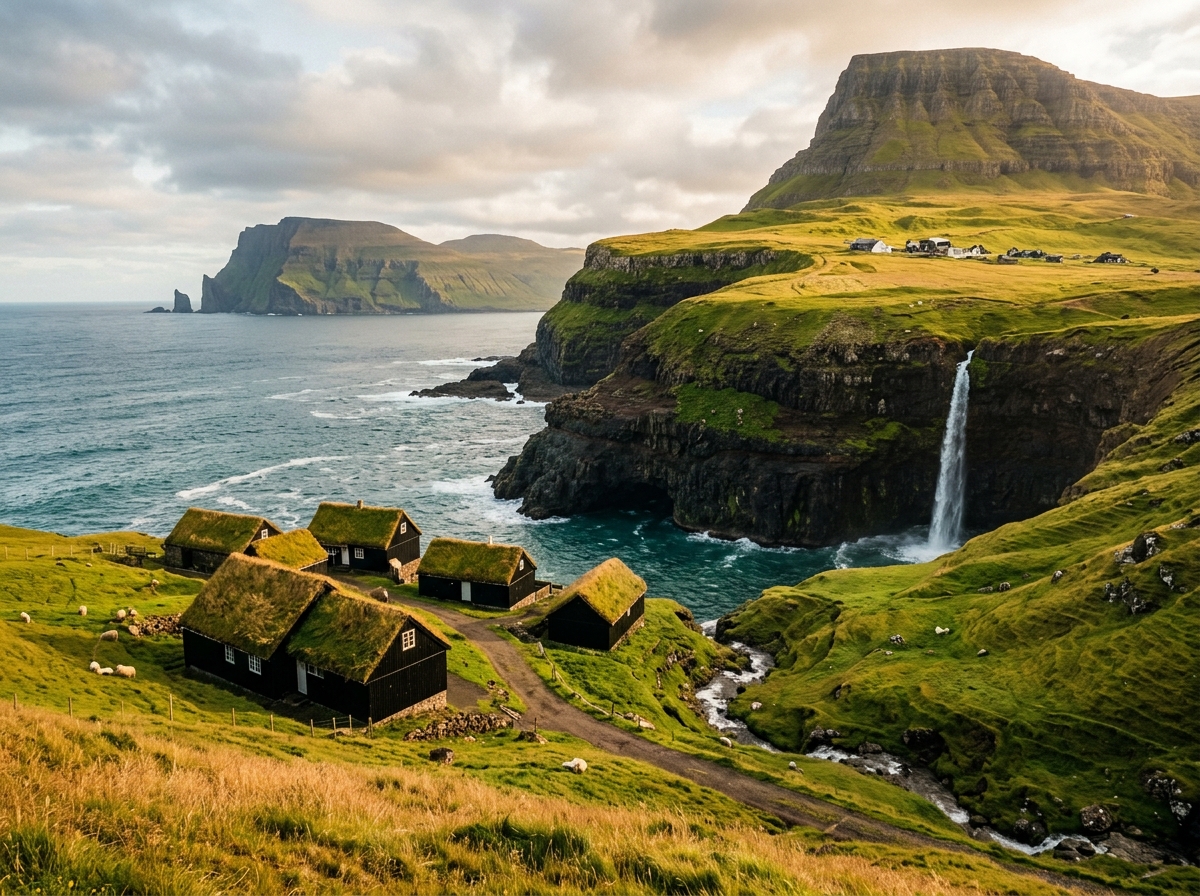
The Faroe Islands, a remote archipelago in the North Atlantic, offer some of the world’s most dramatic landscapes without the premium price tag—if you know how to navigate this destination strategically. Situated between Iceland and Norway, these 18 volcanic islands remain one of Europe’s best-kept secrets for budget travelers seeking rugged beauty without crowds.
While this self-governing Danish territory isn’t traditionally considered a budget destination, with some insider knowledge and careful planning, experiencing the breathtaking fjords, picturesque villages, and stunning waterfalls is entirely possible without breaking the bank. This guide reveals practical money-saving strategies that will help you explore this extraordinary destination for less.
Best Time to Visit the Faroe Islands on a Budget
Timing your visit to the Faroe Islands can significantly impact your travel budget. The islands experience distinct seasonal variations that affect both prices and experiences.
Shoulder Season (May and September)
For the optimal balance between reasonable weather and lower costs, visit the Faroe Islands during May or September. These shoulder months offer several advantages for budget travelers:
- Flight prices drop by 15-30% compared to peak season
- Accommodation rates are typically 20-25% lower
- You’ll still experience decent weather conditions with average temperatures of 8-12°C (46-54°F)
- Major attractions remain accessible with significantly fewer tourists
May brings the first wildflowers and longer daylight hours (up to 19 hours), while September offers beautiful autumn colors and the beginning of the spectacular Northern Lights season.
Weather Considerations
The Faroese weather is notoriously changeable year-round. Local wisdom suggests you might experience “all four seasons in a day” regardless of when you visit. Winter (November-March) offers the lowest prices but comes with challenges:
- Shorter daylight hours (as little as 5 hours in December)
- Frequent wind, rain, and occasional snow
- Some attractions and hiking trails may be inaccessible
- Reduced ferry schedules between islands
Finding Cheap Flights to the Faroe Islands
Reaching the Faroe Islands affordably requires strategic planning. The archipelago’s main gateway is Vágar Airport (FAE), which serves direct flights from a limited number of European cities.
Budget-Friendly Flight Routes
The most economical routes to reach the Faroe Islands include:
- Copenhagen to Vágar: Atlantic Airways and SAS operate this route, with the lowest fares typically around €150-200 round-trip during off-peak seasons
- Edinburgh to Vágar: Atlantic Airways offers direct seasonal flights (March-December) with fares from €180 round-trip
- Bergen to Vágar: Atlantic Airways operates this route with occasional promotional fares from €170 round-trip
For travelers from London or other major hubs, consider booking separate tickets to Copenhagen, then to the Faroes, which can save 20-30% compared to a single booking. Just allow sufficient connection time (at least 3 hours) to accommodate potential delays.
Money-Saving Flight Tips for the Faroe Islands
Implement these strategies to secure the best possible airfare:
- Book 2-3 months in advance: Analysis of flight data shows this is the optimal booking window for the Faroe Islands
- Travel mid-week: Tuesday and Wednesday departures typically offer savings of 15-25% compared to weekend flights
- Set fare alerts: Use price monitoring tools to track fare drops for your preferred travel dates
- Consider flexible dates: Even shifting your trip by a day or two can yield significant savings
- Check nearby departure airports: Flying from alternative European cities to Copenhagen might reduce your overall costs
Budget-Friendly Accommodation Options
Accommodation represents one of the largest expenses when visiting the Faroe Islands, but several budget-friendly options exist if you plan strategically.
Hostels and Guesthouses in the Faroe Islands
The islands offer limited but quality budget accommodation:
- Hostel Kerjalon (Tórshavn): Dorm beds from 200 DKK (€27) per night, centrally located with kitchen access
- Giljanes Hostel (Vágar): From 220 DKK (€29) for dormitory accommodation, well-positioned for exploring Múlafossur waterfall
- Gásadalsgarður Guesthouse (Gásadalur): Basic private rooms from 600 DKK (€80) with shared facilities, spectacular location near iconic viewpoints
Booking at least 3-4 months in advance is essential, especially during the summer season, as budget options are limited and fill quickly.
Alternative Accommodation Solutions
Consider these money-saving alternatives to traditional hotels:
- Camping: The Faroes have designated camping areas for approximately 100-150 DKK (€13-20) per night. Camping Tórshavn and Klaksvík Camping offer basic facilities including showers and cooking areas
- Homestays: Several Faroese families offer spare rooms through local booking platforms for 450-700 DKK (€60-94) per night, providing an authentic cultural experience
- Farmstays: Rural properties occasionally offer accommodation in exchange for 3-4 hours of daily help with farm activities
Getting Around the Faroe Islands Affordably
Transportation between and within the Faroese archipelago can be managed economically with some planning and flexibility.
Public Transportation in the Faroe Islands
The islands have a surprisingly efficient public transportation network:
- Buses: The red “Bygdaleiðir” buses connect major villages and towns. Single journeys cost 20-30 DKK (€2.70-4), with discounts available when purchasing multiple rides
- Ferries: Essential for island hopping, ferry services range from 20-60 DKK (€2.70-8) depending on distance
- Subsea tunnels: Some islands are connected by toll tunnels (100-200 DKK/€13-27 one-way)
For frequent travelers, the multi-day travel cards offer significant savings:
- 2-day travel card: 500 DKK (€67) for unlimited bus and ferry travel
- 4-day travel card: 700 DKK (€94) for unlimited bus and ferry travel
- 7-day travel card: 1,000 DKK (€134) for unlimited bus and ferry travel
Car Rental vs. Public Transportation
While renting a car provides maximum flexibility, it’s also the most expensive option:
- Basic car rental: 700-900 DKK (€94-121) per day
- Fuel costs: Approximately 12 DKK (€1.60) per liter
- Tunnel tolls: Additional 100-200 DKK (€13-27) per crossing
For solo travelers or couples, public transportation is significantly more economical. However, for groups of 3-4 people, shared car rental costs become more comparable to public transportation expenses while offering greater convenience.
Free and Low-Cost Activities in the Faroe Islands
The Faroe Islands’ most spectacular attractions—its natural landscapes—are completely free to experience.
Hiking the Faroe Islands
The archipelago offers world-class hiking without entrance fees:
- Lake Sørvágsvatn/Trælanípa (Vágar): This iconic hike to the “floating lake” optical illusion and dramatic cliff views requires no guide or fees
- Slættaratindur: The highest mountain in the Faroes (882m) offers panoramic views across the entire archipelago on clear days
- Kalsoy island: The hike to Kallur Lighthouse features in many Faroe Islands photographs and costs only the ferry fare to reach
Hiking in the Faroe Islands requires proper preparation. Trails can be muddy, weather changes rapidly, and some paths traverse private land where permission is required. Find free walking tours with local guides who can provide cultural context while ensuring you follow appropriate protocols.
Cultural Experiences on a Budget
Immerse yourself in Faroese culture without spending much:
- Nordic House (Tórshavn): Often hosts free cultural exhibitions and performances
- Kirkjubøur: Historic village with medieval ruins you can explore independently
- Village explorations: Picturesque settlements like Saksun, Gjógv, and Tjørnuvík cost nothing to wander through
- Local festivals: If your timing aligns with events like Ólavsøka (July) or Summer Festival (August), many public performances are free
Saving on Food and Dining
Food costs in the Faroe Islands rank among the highest in Europe, but strategic choices can keep your budget manageable.
Budget Food Options in the Faroe Islands
Stretch your food budget with these approaches:
- Supermarkets: Chains like Bónus and Miklagarður offer the most economical shopping options. A basic grocery shop for self-catering might cost 400-500 DKK (€54-67) for 3-4 days of simple meals
- Bakeries: Local bakeries offer relatively affordable pastries and sandwiches for 30-60 DKK (€4-8)
- Food trucks: Particularly in Tórshavn, these offer meals for 80-120 DKK (€11-16), significantly cheaper than restaurants
- Set lunch menus: Some restaurants offer lunch specials for 100-150 DKK (€13-20), much less than evening dining
Restaurant dining typically starts at 200 DKK (€27) per person for a main course, with full meals including drinks costing 300-500 DKK (€40-67). For budget travelers, limiting restaurant meals to special occasions is advisable.
Self-Catering Strategies
When self-catering in the Faroe Islands:
- Shop at Bónus supermarkets for the lowest prices (look for the pink piggy bank logo)
- Purchase local fish directly from harbors for fresh seafood at reasonable prices
- Bring a reusable water bottle—Faroese tap water is excellent and free
- Pack lightweight, non-perishable staples from home if weight allows
Even with careful planning, expect food costs to be 30-40% higher than mainland European prices. Budget approximately 200-300 DKK (€27-40) per person daily for self-catering with occasional modest meals out.
Sample 3-Day Faroe Islands Budget Itinerary
Here’s a practical 3-day itinerary that balances must-see attractions with budget considerations, using public transportation and prioritizing free activities.
Day 1: Tórshavn and Surroundings
- Morning: Explore Tórshavn’s historic Tinganes district and colorful harbor (free)
- Afternoon: Bus to Kirkjubøur to see medieval ruins (30 DKK/€4 round-trip)
- Evening: Self-catered dinner or budget meal at Paname Café (100-150 DKK/€13-20)
Day 2: Vágar Island Highlights
- Morning: Bus to Vágar (45 DKK/€6), hike to Lake Sørvágsvatn/Trælanípa (free)
- Afternoon: Visit Múlafossur waterfall in Gásadalur (free)
- Evening: Return to Tórshavn, picnic dinner with supermarket supplies
Day 3: Northern Islands
- Morning: Bus to Klaksvík (60 DKK/€8)
- Afternoon: Ferry to Kalsoy (30 DKK/€4 each way), hike to Kallur Lighthouse (free)
- Evening: Return to Tórshavn, budget dinner at local food truck (80-120 DKK/€11-16)
| Category | Daily | 3-Day Total | Notes |
|---|---|---|---|
| Accommodation | 200-700 DKK | 600-2,100 DKK | Hostel dorm to basic guesthouse |
| Transportation | 120-150 DKK | 360-450 DKK | Public buses and ferries |
| Food | 250-350 DKK | 750-1,050 DKK | Self-catering + occasional cafés |
| Activities | 0-100 DKK | 0-300 DKK | Mostly free hiking |
| Miscellaneous | 50-100 DKK | 150-300 DKK | Souvenirs, contingency |
| Total | 620-1,400 DKK | 1,860-4,200 DKK | €250-565 / $270-610 |
This budget demonstrates that while the Faroe Islands aren’t a traditionally cheap destination, with careful planning, a 3-day trip can be managed for around €250-565 per person excluding flights. Extending your stay would lower your daily average costs further.
Faroe Islands Budget Travel: Final Tips
As you plan your budget adventure to the Faroe Islands, keep these final money-saving strategies in mind:
- Pack appropriately: Bring waterproof clothing and proper hiking gear to avoid expensive purchases locally
- Plan meticulously: The limited transportation schedule requires careful advance planning
- Consider travel insurance: Weather cancellations are common in this region
- Download offline maps: Mobile coverage is good but data is expensive
- Connect with locals: Faroese people are known for their hospitality and may offer insider advice
The Faroe Islands offer an extraordinary experience that rivals destinations with much higher price tags. By implementing these budget strategies, you can experience the dramatic landscapes and unique culture of this North Atlantic archipelago without financial strain, proving that with planning and flexibility, even premium destinations can be accessible to budget-conscious travelers. For more destination inspiration, check out our comprehensive Scandinavia travel guide or explore other best islands to visit for your next adventure.
With careful budgeting and these insider tips, you might even manage to experience the Faroe Islands on how to travel on $500 a week, though this destination typically requires a slightly higher budget than many European alternatives.
Disclosure: This post contains affiliate links. If you use these links to book or purchase something, we may earn a commission at no additional cost to you.