How to Avoid Hidden Exchange Rates When Changing Money Abroad
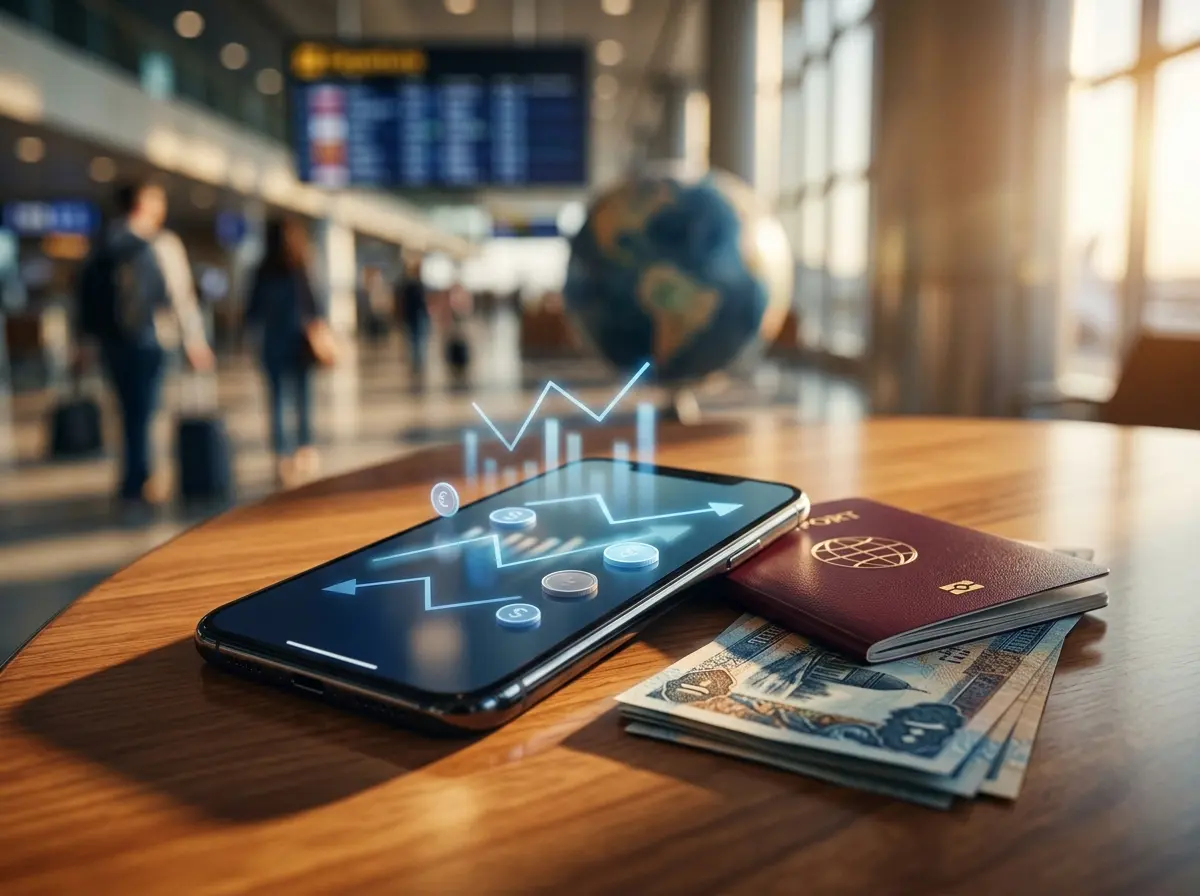
Understanding exchange rates abroad can save you hundreds of dollars on every international trip. Most travelers lose 5-10% of their money through hidden fees, poor conversion rates, and choosing the wrong payment methods at the worst possible moments.
Currency conversion isn’t just about math—it’s about strategy. The difference between getting ripped off at an airport kiosk versus using smart money management techniques can mean the difference between a budget-friendly adventure and an expensive lesson in financial planning.
Understanding How Foreign Exchange Rates Work
Foreign exchange rates fluctuate constantly based on economic factors, political stability, and market demand. The “interbank rate” you see on financial websites represents the wholesale price that banks pay each other—but you’ll never get this rate as a consumer.
Currency conversion involves three key components: the base exchange rate, the margin (profit for the exchange provider), and additional fees. Understanding this structure helps you identify the most cost-effective options for international spending.
Exchange rates change throughout the day, with the most volatile periods during market opening hours in London (8 AM GMT) and New York (1 PM GMT). Major economic announcements can cause sudden shifts that impact your travel budget within hours.
Hidden Fees That Drain Your Travel Budget
Foreign transaction fees hit your account as percentage charges (typically 2.5-3%) plus flat fees ($2-5 per transaction). These costs compound quickly—a $100 dinner could cost an extra $7.50 in hidden charges alone.
Dynamic currency conversion (DCC) is perhaps the sneakiest trap. When paying by card abroad, merchants may offer to charge you in your home currency “for convenience.” This service typically adds 3-7% to your bill compared to letting your bank handle the conversion.
| Exchange Method | Typical Spread | Additional Fees | Total Cost |
|---|---|---|---|
| Airport Currency Exchange | 5-8% | $5-15 flat fee | 8-12% |
| Hotel Currency Exchange | 6-10% | $10+ flat fee | 10-15% |
| Local Bank ATM | 1-3% | $2-5 per transaction | 3-6% |
| Travel Credit Card | 0-1% | No foreign fees | 0-1% |
| Multi-currency Card | 0.5-2% | Loading fees vary | 1-4% |
| Best Option | Travel Credit Card |
ATM fees can be double-charged—once by the foreign bank operating the machine, and again by your home bank for international transactions. A single $200 withdrawal might cost $15 in combined fees.
7 Smart Tips to Get the Best Exchange Rates Abroad
1. Use No-Fee Travel Credit Cards
Travel credit cards without foreign transaction fees offer the closest rates to the interbank exchange rate. Cards like Chase Sapphire Preferred or Capital One Venture provide excellent currency conversion with additional travel benefits.
Always decline dynamic currency conversion when paying by card. Tell the merchant to charge in the local currency—your bank’s conversion rate will almost always beat the merchant’s inflated rate.
2. Research ATM Networks Before You Travel
Partner banks and ATM networks can eliminate or reduce withdrawal fees. Check if your bank has reciprocal agreements in your destination country before departure as part of your pre-travel planning.
3. Monitor Exchange Rates and Time Your Conversions
Currency rates can swing 2-5% in a single week. Set up rate alerts through apps like XE Currency or CurrencyFair to time larger purchases when rates are favorable.
For longer trips, consider splitting your currency needs across different time periods rather than converting everything at once. This strategy helps average out rate fluctuations.
4. Avoid Airport and Hotel Currency Exchange
Airport currency exchange kiosks offer convenience at a premium—typically charging 8-12% above market rates. Plan ahead to exchange small amounts for immediate needs through better channels.
Hotels often provide even worse rates than airports, sometimes charging 15% premiums. Use hotel exchange only for genuine emergencies when no other options exist.
5. Negotiate Better Rates for Large Transactions
Local banks and licensed money changers often negotiate rates for exchanges over $1,000. Shopping around different providers in the same area can reveal rate differences of 2-3%.
In major tourist destinations, currency exchange shops compete aggressively. Compare rates at 3-4 locations before committing to large conversions.
6. Use Peer-to-Peer Currency Services
Services like CurrencyFair and TransferWise (now Wise) offer mid-market rates by matching travelers going in opposite directions. These platforms can save 3-6% compared to traditional exchange methods.
Peer-to-peer services work best for planned expenses rather than immediate cash needs, as transfers typically take 1-3 business days to complete.
7. Keep Multiple Payment Options
Diversify your currency strategy across 2-3 different methods: a no-fee credit card for daily expenses, a small amount of local cash for vendors who don’t accept cards, and a backup debit card from a different bank.
This approach protects against card failures, network outages, or situations where cash is the only accepted payment method.
Airport vs ATM vs Bank: Cost Comparison
Airport currency exchange represents the worst value for travelers, with rates typically 8-12% above market rates. The convenience factor comes at an enormous premium that can cost hundreds of dollars on longer trips.
Local bank ATMs offer much better value, usually charging 1-3% above the interbank rate plus withdrawal fees. Partner bank ATMs may waive fees entirely, making this your best option for obtaining local cash.
Physical bank branches provide competitive rates for large exchanges and can often negotiate fees for significant transactions. However, banks may require account opening or have limited hours that don’t suit travel schedules.
The strategy that saves the most money involves using travel credit cards for most purchases and withdrawing cash only when necessary from partner bank ATMs in smaller amounts.
Credit Card vs Cash Strategies
Credit cards with no foreign transaction fees consistently provide the best currency conversion rates—typically within 1% of the interbank rate. This method also offers fraud protection, purchase insurance, and detailed spending tracking.
Cash remains essential for street vendors, small restaurants, transportation, and tips in most countries. The optimal strategy involves carrying 10-20% of your daily budget in local cash while using cards for larger purchases.
Some regions heavily favor cash transactions—Southeast Asia, parts of Africa, and rural areas worldwide often require physical currency. Research local payment preferences before traveling to avoid being caught unprepared.
Consider the security implications: losing cash means permanent loss, while credit cards can be quickly canceled and replaced. Balance convenience against security based on your destination’s crime rates and your comfort level.
Real-Time Currency Apps and Tools
Modern currency apps provide real-time exchange rates, historical charts, and rate alerts that help time your currency conversions. XE Currency, CurrencyConverter Plus, and Travel Money offer offline functionality for areas with poor internet connectivity.
Rate alert features notify you when currencies reach target levels—particularly useful for expensive purchases like accommodation or tours. Set alerts 2-3% better than current rates to catch favorable fluctuations.
Advanced apps like Trail Wallet and TravelSpend combine currency conversion with expense tracking, helping monitor your budget in real-time across multiple currencies during complex itineraries.
Currency calculators with tip and tax functions help navigate local pricing conventions, especially in countries where advertised prices don’t include taxes or where tipping customs differ significantly from your home country.
Multi-Currency Travel Cards
Multi-currency prepaid cards allow loading multiple currencies at favorable rates before travel, then spending in each currency without conversion fees. Cards like Revolut, Wise, and Charles Schwab offer competitive rates and global ATM access.
These cards work best for travelers visiting multiple countries or making large planned purchases. Loading currencies when rates are favorable can lock in savings, though you lose flexibility if plans change.
Consider loading fees, monthly charges, and ATM withdrawal limits when comparing multi-currency options. Some cards offer better rates but charge monthly fees that negate savings for shorter trips.
Multi-currency cards provide excellent expense tracking across different countries and currencies, simplifying budget management for complex international itineraries. Many offer real-time notifications and spending analytics.
Budget Planning with Currency Fluctuations
Currency fluctuations can significantly impact travel budgets—a 10% currency swing affects every aspect of your spending. Build 5-10% buffer into budgets for currency volatility, especially for longer trips or expensive destinations.
Consider hedging strategies for major expenses: book accommodation and flights in advance when rates are favorable, or use forward contracts for large currency needs in volatile markets.
Track spending in both local and home currencies to understand true costs. This dual tracking reveals patterns and helps identify where currency conversion fees impact your budget most significantly.
For digital nomads and long-term travelers, consider opening local bank accounts in frequently visited countries to reduce ongoing currency conversion costs and establish financial relationships for future visits.
Smart currency management transforms international travel from expensive to affordable. The difference between random money changing and strategic currency planning often saves 5-8% of your total travel budget—money better spent on experiences than bank fees.
Start implementing these strategies on your next international trip, beginning with researching no-fee credit cards and partner ATM networks. Small preparation steps prevent expensive currency conversion mistakes that drain travel budgets unnecessarily.
Remember that avoiding ATM fees works hand-in-hand with smart currency strategies. Combined approaches maximize your travel budget while minimizing financial stress during international adventures.
Currency conversion doesn’t have to be complicated or expensive. With proper planning and the right tools, you can access local currencies efficiently while keeping more money for the experiences that make travel worthwhile.
Affiliate Disclosure: This article contains affiliate links to travel booking platforms and services. When you make purchases through these links, we may earn a small commission at no additional cost to you. This helps support our content creation while providing you with access to trusted travel resources. We only recommend services we genuinely believe offer value to travelers.