Tanzania Safari Guide: Best Family Lodges and Wildlife Tours

A Tanzania safari offers some of Africa’s most spectacular wildlife encounters, from the Great Migration in Serengeti to the Big Five in Ngorongoro Crater. This comprehensive guide covers everything families need to plan an unforgettable safari adventure, including the best parks, accommodation options, and budget-friendly tips.
Tanzania stands out as Africa’s premier safari destination, home to iconic locations like Mount Kilimanjaro and pristine beaches of Zanzibar. Whether you’re planning a luxury family getaway or seeking budget-friendly wildlife tours, this East African gem delivers extraordinary experiences for every traveler.
Best Safari Parks and Regions for Tanzania Safari
Tanzania’s diverse national parks offer unique wildlife experiences, each with distinct ecosystems and animal populations. Understanding these differences helps families choose the perfect safari destinations.
Serengeti National Park
The world-famous Serengeti spans 14,750 square kilometers and hosts the Great Migration annually. Over 1.5 million wildebeest and 200,000 zebras traverse these plains, creating one of nature’s most spectacular shows. The park’s endless grasslands support large predator populations, including lions, leopards, and cheetahs.
Ngorongoro Crater
This UNESCO World Heritage site features the world’s largest inactive volcanic caldera, creating a natural amphitheater for wildlife viewing. The crater floor hosts approximately 25,000 large animals, including the rare black rhinoceros. Families appreciate the concentrated wildlife, making game drives highly productive.
Tarangire National Park
Known for its massive elephant herds and distinctive baobab trees, Tarangire provides intimate wildlife encounters during the dry season. The park’s elephant population swells to over 3,000 during peak months, offering incredible photography opportunities for families.
Lake Manyara National Park
This compact park showcases diverse ecosystems, from groundwater forests to alkaline lakes. Famous for tree-climbing lions and large flamingo populations, Lake Manyara serves as an excellent introduction to African safari experiences for first-time visitors.
Types of Safari Tours
Tanzania offers various safari formats to match different travel styles, budgets, and group preferences. Understanding these options helps families select the most suitable experience.
Group Safari Tours
Small group safaris typically accommodate 6-8 people in modified Land Cruisers or Land Rovers. These tours offer cost-effective wildlife viewing while providing social interaction with fellow travelers. Group discounts make this option particularly attractive for budget-conscious families.
Private Safari Tours
Private tours provide maximum flexibility, allowing families to customize itineraries, departure times, and activity preferences. While more expensive, private safaris offer personalized attention from dedicated guides and the ability to spend extra time at preferred locations.
Self-Drive Safari Options
Adventurous families can rent 4WD vehicles for self-drive experiences in certain parks. This option requires careful planning and additional permits but offers complete independence. Self-drive safaris work best for experienced travelers familiar with African road conditions.
Flying Safari Tours
Flying safaris use small aircraft to connect remote camps and parks, maximizing wildlife viewing time while minimizing travel fatigue. These premium experiences suit families with limited time who want to visit multiple destinations efficiently.
Accommodation Options
Tanzania’s safari accommodations range from luxury lodges to budget camping, ensuring options for every family’s preferences and financial constraints.
Luxury Safari Camps
High-end tented camps and lodges provide exceptional comfort with gourmet dining, spa services, and premium locations. Properties like Singita Sasakwa and &Beyond Serengeti Under Canvas offer unparalleled luxury starting from $1,200 per person per night.
Mid-Range Safari Lodges
Mid-range options balance comfort with affordability, featuring comfortable rooms, good food, and knowledgeable guides. Lodges like Kati Kati Tented Camp and Nimali Central Serengeti charge $400-800 per person per night, including meals and game drives.
Budget Safari Accommodations
Budget lodges and camping sites provide basic amenities at affordable rates. Public campsites cost $30-50 per person per night, while budget lodges range from $100-300 per person per night. These options allow families to experience wildlife without luxury price tags.
| Accommodation Type | Price Range (per person/night) | Included Services | Best For |
|---|---|---|---|
| Luxury Camps | $1,200-2,500 | All meals, drinks, activities, transfers | Honeymoons, special occasions |
| Mid-Range Lodges | $400-800 | Meals, game drives, transfers | Family safaris, comfort seekers |
| Budget Lodges | $100-300 | Basic meals, shared activities | Budget travelers, backpackers |
| Camping | $30-50 | Campsite access, basic facilities | Adventure travelers, minimal budget |
Safari Activities and Wildlife Viewing
African safari experiences extend beyond traditional game drives, offering diverse activities that showcase Tanzania’s natural and cultural heritage.
Game Drives
Morning and evening game drives provide optimal wildlife viewing when animals are most active. Professional safari guides use specialized vehicles with pop-up roofs for photography and unobstructed viewing. Early morning drives often reveal hunting behavior, while evening drives showcase predator activity.
Walking Safaris
Guided walking safaris offer intimate encounters with smaller wildlife, plants, and ecosystems often missed during vehicle-based tours. These activities require fitness levels suitable for 2-4 hour walks and provide educational insights into African wilderness survival.
Big Five Wildlife Encounters
Tanzania’s parks host all Big Five animals: lions, elephants, buffalo, leopards, and rhinoceros. Ngorongoro Crater offers the best chances for complete Big Five sightings in a single day, while Serengeti excels for large predator populations.
Cultural Experiences
Visits to Maasai villages provide authentic cultural exchanges, showcasing traditional lifestyles, crafts, and customs. These interactions offer valuable educational opportunities for families while supporting local communities.
Planning Your Tanzania Safari
Successful safari planning requires attention to documentation, health requirements, and logistical arrangements well in advance of departure.
Visa and Documentation Requirements
Most visitors need tourist visas obtained online through Tanzania’s e-visa system or upon arrival at major entry points. US citizens pay $100 for tourist visas, while EU nationals pay $50. Passports must have six months validity and two blank pages. For more information about visa requirements, check our comprehensive visa guide.
Vaccination and Health Preparations
Yellow fever vaccination is mandatory for travelers from endemic areas, while malaria prophylaxis is strongly recommended. Consult travel medicine specialists 4-6 weeks before departure for personalized health advice and required immunizations.
Safari Packing Lists
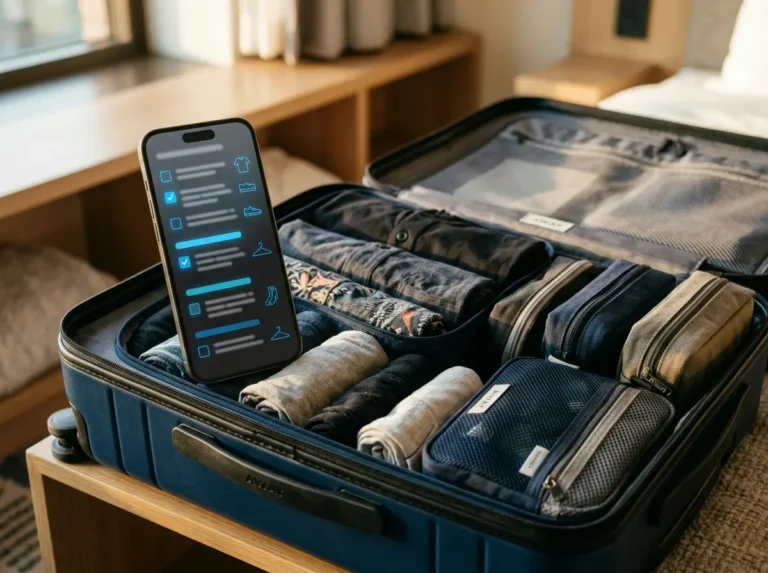
Essential safari gear includes neutral-colored clothing, wide-brimmed hats, sunscreen, insect repellent, and quality binoculars. Photography equipment should include extra batteries, memory cards, and dust protection. Many lodges provide laundry services, reducing packing requirements.
Travel Insurance Considerations
Comprehensive travel insurance should cover medical emergencies, evacuation services, and trip cancellation protection. African safari destinations may require specialized coverage for adventure activities and remote area access.
Best Time to Visit
Tanzania’s climate and wildlife patterns create distinct seasons that affect safari experiences, costs, and crowd levels throughout the year.
Dry Season (June-October)
The dry season offers excellent wildlife viewing as animals concentrate around water sources. Clear skies provide optimal photography conditions, while reduced vegetation improves animal visibility. This peak season commands highest prices but guarantees consistent wildlife encounters.
Wet Season (November-May)
The wet season brings lower prices, fewer crowds, and dramatic landscapes. Calving season (January-March) creates spectacular predator-prey interactions, while migratory birds arrive in massive numbers. However, some roads become impassable, and afternoon thunderstorms can disrupt activities.
Migration Timing
The Great Migration follows predictable patterns: calving in southern Serengeti (December-March), western corridor river crossings (April-June), and northern Serengeti Mara River crossings (July-October). Each phase offers unique wildlife spectacles for different safari experiences.
Safari Costs and Budget Planning
Understanding safari pricing structures helps families budget effectively and identify value opportunities without compromising experience quality.
Daily Safari Costs Breakdown
Budget safaris average $200-400 per person daily, mid-range options cost $400-800, while luxury experiences reach $1,200-2,500 per person daily. These rates typically include accommodation, meals, game drives, and park fees but exclude international flights and personal expenses.
| Safari Component | Budget Range | Mid-Range | Luxury |
|---|---|---|---|
| Accommodation (per person/night) | $50-150 | $200-400 | $800-1,500 |
| Park Fees (per person/day) | $60-70 | $60-70 | $60-70 |
| Guide & Vehicle (per day) | $150-250 | $250-400 | $400-600 |
| Meals (per person/day) | $30-50 | $60-100 | $120-200 |
| Total Daily Cost | $290-520 | $570-970 | $1,380-2,370 |
Money-Saving Strategies
Booking during shoulder seasons, joining group tours, and selecting longer itineraries reduce per-day costs significantly. Many operators offer family discounts for children under 12, while advance bookings secure better rates and availability.
Consider flying into neighboring countries and overland transfers to Tanzania for additional savings. Budget airlines serve Nairobi and Kigali with competitive rates to East Africa. Learn more about flight booking strategies to maximize savings.
Hidden Costs to Consider
Additional expenses include gratuities for guides and camp staff ($20-30 per day), drinks at lodges, optional activities like hot air balloon rides ($500-600), and shopping for souvenirs. International departure taxes and visa fees add to overall trip costs.
Family-Friendly Safari Options
Family safari Tanzania experiences require special considerations for children’s safety, engagement, and comfort throughout the adventure.
Age-Appropriate Activities
Most safari operators welcome children over 6 years old on game drives, while walking safaris typically require minimum ages of 12-16 years depending on the operator. Family-friendly lodges offer junior ranger programs, educational activities, and supervised children’s areas.
Family Safari Lodges
Several properties specialize in family accommodations with connecting rooms, children’s pools, and age-appropriate activities. Tarangire Treetops and Serengeti Safari Camp offer excellent family facilities with educational programs designed for young explorers.
Educational Opportunities
Safari experiences provide unparalleled educational value through wildlife observation, conservation awareness, and cultural interactions. Many guides adapt information for different age groups, making complex ecosystems accessible to curious young minds.
Safety Considerations for Families
Reputable safari operators maintain strict safety protocols including vehicle safety equipment, first aid supplies, and communication devices. Family vehicles often feature additional safety features and experienced guides trained in working with children.
Zanzibar Extension Options
Many families combine mainland safaris with Zanzibar beach extensions, creating perfect adventure-relaxation combinations. The spice island offers cultural tours, pristine beaches, and water sports suitable for all ages.
Tanzania’s safari destinations provide transformative experiences that create lifelong memories for families seeking adventure, education, and natural wonder. From budget camping to luxury lodges, the country accommodates every travel style while delivering world-class wildlife encounters.
Planning ahead, choosing appropriate seasons, and selecting experienced operators ensure safe, enjoyable, and educational safari experiences. Whether witnessing the Great Migration or tracking the Big Five, Tanzania’s national parks offer unmatched opportunities for family bonding through shared adventure and discovery.
For visa information relevant to African travel, explore our guide on visa-free travel options that might apply to your travel plans.
Affiliate Disclosure: This post contains affiliate links. When you book through our partners, we may earn a small commission at no extra cost to you. This helps us continue providing free travel content and guides.