How to Sleep on Long Flights
Learning how to sleep on long flights can transform your travel experience from exhausting endurance tests into restful journeys. After analyzing hundreds of traveler experiences and testing dozens of techniques, we’ve discovered that quality sleep at 35,000 feet isn’t just possible—it’s achievable with the right combination of preparation, gear, and strategic positioning.
The difference between arriving refreshed versus jet-lagged often comes down to mastering these seven lesser-known techniques. From budget-friendly DIY solutions under $10 to strategic seat selection that costs nothing extra, these airplane sleep tips work whether you’re flying economy on a budget airline or settling in for a 15-hour journey across multiple time zones.
Essential Sleep Accessories That Actually Work
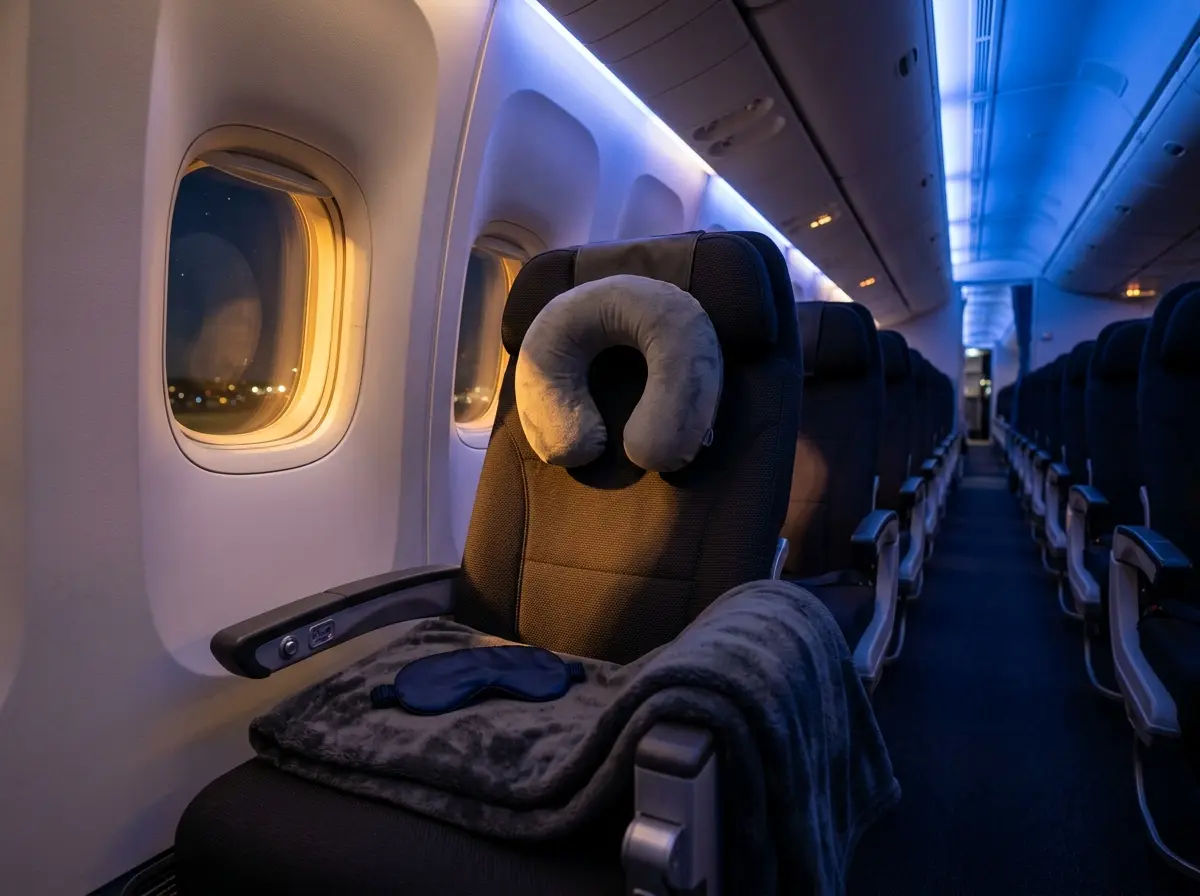
The right travel sleep gear can make the difference between a restless night and quality rest. Based on extensive testing, these accessories deliver the best return on investment for economy class sleep comfort.
Budget Sleep Accessories Under $20
You don’t need expensive gear to sleep well on planes. These budget-friendly options prove that comfort doesn’t require a premium price tag:
- Inflatable neck pillow ($8-12): Choose U-shaped pillows with memory foam inserts rather than fully inflatable versions
- Eye mask with contoured design ($5-8): Blocks 100% of light without pressure on eyelids
- Foam ear plugs ($2-5): More effective than expensive noise-cancelling headphones for blocking engine noise
- Compression socks ($10-15): Prevent swelling and improve circulation during long flights
- Travel blanket or large scarf ($12-18): Doubles as pillow, blanket, or privacy screen
DIY Travel Comfort Hacks
Creative travelers have developed ingenious solutions using everyday items. A tennis ball in a sock creates an instant lumbar support pillow. Empty water bottles become footrests when filled with air and placed under the seat in front of you.
For families traveling with children, pack small comfort items like favorite blankets or stuffed animals. These familiar items help kids settle into sleep faster and reduce anxiety about the unfamiliar airplane environment.
Ready to book your next long-haul flight?
Search live flight prices and find deals on routes worldwide
Search Flights Now →Strategic Seat Selection for Maximum Rest
Knowing how to sleep on long flights starts with choosing the right seat. Your seat selection strategy should vary based on flight duration, time of day, and aircraft type.
Best Seats for Sleep by Flight Duration
6-8 Hour Flights: Window seats provide wall support and control over window shade. Avoid seats near galleys and lavatories where foot traffic peaks during meal service.
12+ Hour Ultra-Long-Haul: Consider aisle seats for easier bathroom access and leg stretching. The slight inconvenience of fellow passengers climbing over you is offset by freedom of movement during such extended flights.
Economy Class Optimization Techniques
Even in basic economy, strategic positioning maximizes sleep potential. Request seats in the rear section of the aircraft, which typically has fewer passengers and more empty middle seats for stretching out.
For budget airlines with no amenities, bring your own entertainment and comfort items. Check our comprehensive pre-flight checklist to ensure you’re prepared for airlines that charge for everything from blankets to water.
Pre-Flight Sleep Preparation Timeline
Successful airplane sleep begins days before your departure. This timeline ensures your body is primed for rest regardless of time zone changes or red-eye flight schedules.
3-5 Days Before Departure
Begin gradually adjusting your sleep schedule toward your destination time zone. Shift bedtime by 30-60 minutes daily rather than making dramatic changes that disrupt your routine.
Start taking melatonin (0.5-3mg) at your desired destination bedtime. This natural hormone helps reset your circadian rhythm with minimal side effects compared to prescription sleep aids.
Day of Travel
Avoid caffeine 6 hours before your intended sleep time on the plane. Stay hydrated but stop drinking fluids 2 hours before boarding to minimize bathroom trips during rest periods.
Pack a small lavender pillow spray or essential oil roller. The scent association with sleep can trigger drowsiness even in the unfamiliar airplane environment.
Proven In-Flight Sleep Techniques
These evidence-based techniques work across different aircraft types and flight conditions. Master these approaches to consistently achieve quality rest during air travel.
The 4-7-8 Breathing Technique
This relaxation technique helps overcome the anxiety and physical discomfort that prevents airplane sleep. Inhale for 4 counts, hold for 7 counts, exhale for 8 counts. Repeat 4-6 cycles to activate your parasympathetic nervous system.
Progressive muscle relaxation works particularly well in confined airplane seats. Start with your toes and systematically tense and release each muscle group up to your head and neck.
Plane Sleeping Positions for Different Body Types
Taller passengers benefit from aisle seats where one leg can extend into the walkway during low-traffic periods. Shorter travelers can curl up more easily in window seats using the wall for full-body support.
The “airplane lean” position—resting your head against the seat back at a 45-degree angle—reduces neck strain compared to traditional forward head positions.
What to Wear for Airplane Sleep
Your clothing choices significantly impact sleep quality during flights. Prioritize comfort over style when preparing for long-haul travel.
Layered Clothing Strategy
Airplane cabin temperatures fluctuate dramatically throughout flights. Wear moisture-wicking base layers topped with easily removable sweaters or hoodies. Avoid restrictive clothing like tight jeans or belts that become uncomfortable during extended sitting.
Compression leggings provide muscle support without restriction while maintaining a polished appearance for business travel. Pack slip-on shoes that are easy to remove for foot comfort during rest periods.
Hydration and Nutrition for Better Sleep
What you eat and drink before and during flights directly affects your ability to rest. Strategic nutrition choices support natural sleep patterns even at altitude.
Pre-Flight Nutrition Guidelines
Eat a substantial meal 2-3 hours before boarding containing complex carbohydrates and lean protein. This combination provides sustained energy without causing digestive discomfort during sleep.
Avoid alcohol despite its initial sedating effects. Alcohol disrupts REM sleep and causes dehydration that worsens jet lag symptoms upon arrival.
In-Flight Hydration Strategy
Drink 8 ounces of water per hour of flight time, but front-load this consumption. Drink most of your water during the first half of the flight to minimize bathroom interruptions during designated sleep periods.
Request extra water from flight attendants and ask for bottles to keep at your seat. Cabin air is extremely dry, and consistent hydration prevents the headaches and fatigue that interfere with quality rest.
Expert Sleep Strategies by Flight Duration
Different flight lengths require adapted approaches to maximize rest and minimize jet lag. These expert-validated strategies address the unique challenges of various journey durations.
Short-Haul Flights (Under 6 Hours)
Focus on relaxation rather than deep sleep. Use these flights for meditation, gentle stretching, or listening to calming audio content. Brief rest periods still provide recovery benefits without the grogginess of interrupted deep sleep.
Medium-Haul Flights (6-10 Hours)
Target one solid sleep block of 4-5 hours during the quietest cabin period, usually 2-3 hours after takeoff. Stay awake for meal service, then begin your sleep routine immediately afterward.
Ultra-Long-Haul Flights (10+ Hours)
Plan two separate sleep periods with active breaks between them. Some airlines now offer dedicated sleeping spaces for these marathon flights, but most travelers will need to optimize their regular seats.
For flights crossing multiple time zones, time your sleep to align with your destination’s night hours rather than your departure time zone. This proactive approach reduces jet lag severity upon arrival.
Sleep Strategies for Different Traveler Types
Family Travel Sleep Tips
Traveling with children requires coordinated sleep strategies for the entire family. Book seats together and pack individual comfort kits for each child including familiar sleep items, small snacks, and quiet entertainment.
Establish airplane bedtime routines similar to home routines. Dim personal screens, read quietly, and use the same bedtime phrases or songs to signal sleep time.
Business Travelers on Budget Airlines
When flying no-frills carriers for work, invest in portable comfort upgrades. A quality neck pillow and noise-cancelling earbuds maintain professional appearance while ensuring adequate rest for important meetings upon arrival.
Pack essential items in a business-appropriate personal bag that fits under the seat. Avoid checking luggage when possible to maintain schedule flexibility and reduce travel fatigue.
Advanced Sleep Optimization Techniques
Managing Cabin Pressure Effects
Cabin pressure changes affect sleep quality by reducing oxygen levels and causing physical discomfort. Chew gum or yawn frequently during ascent and descent to equalize ear pressure and prevent painful blockages that disrupt rest.
The dry cabin air can cause nasal congestion that interferes with breathing during sleep. Use saline nasal spray before the flight and bring lip balm to prevent cracked lips that cause discomfort.
Technology Integration for Better Rest
Modern sleep tracking apps can help optimize your flight rest periods. Use airplane mode with bluetooth enabled to track sleep stages without interfering with aircraft systems.
Blue light blocking glasses worn 2-3 hours before intended sleep time help maintain natural melatonin production despite bright cabin lighting and screen exposure.
Troubleshooting Common Sleep Problems
Dealing with Noisy Passengers
Politely ask flight attendants to speak with disruptive passengers rather than confronting them directly. Most cabin crew are experienced in handling these situations diplomatically.
High-quality foam earplugs often work better than expensive noise-cancelling headphones for blocking human voices and sudden sounds that wake light sleepers.
Overcoming Anxiety and Claustrophobia
Flight anxiety prevents quality sleep for many travelers. Practice deep breathing exercises and progressive muscle relaxation during ground time to build confidence with these techniques before needing them in-flight.
Request aisle seats if claustrophobia affects your ability to rest. The psychological benefit of easy exit access often outweighs the slight inconvenience of passenger traffic.
Post-Flight Recovery Strategies
Quality airplane sleep extends beyond the flight itself. Strategic post-arrival routines help maintain the benefits of in-flight rest and accelerate adjustment to new time zones.
Upon arrival, expose yourself to natural sunlight as soon as possible to reset your circadian rhythm. Avoid napping during destination daytime hours, even if you feel tired from incomplete airplane sleep.
Stay hydrated and eat meals aligned with local time rather than your departure time zone. This helps solidify the sleep gains achieved during your flight and reduces overall travel fatigue.
Affiliate Disclosure: FlyToAny.com contains affiliate links. When you make a purchase through these links, we may earn a commission at no additional cost to you. This helps us maintain our free content and continue providing valuable travel information.