The Complete First-Timer’s Guide to Japan
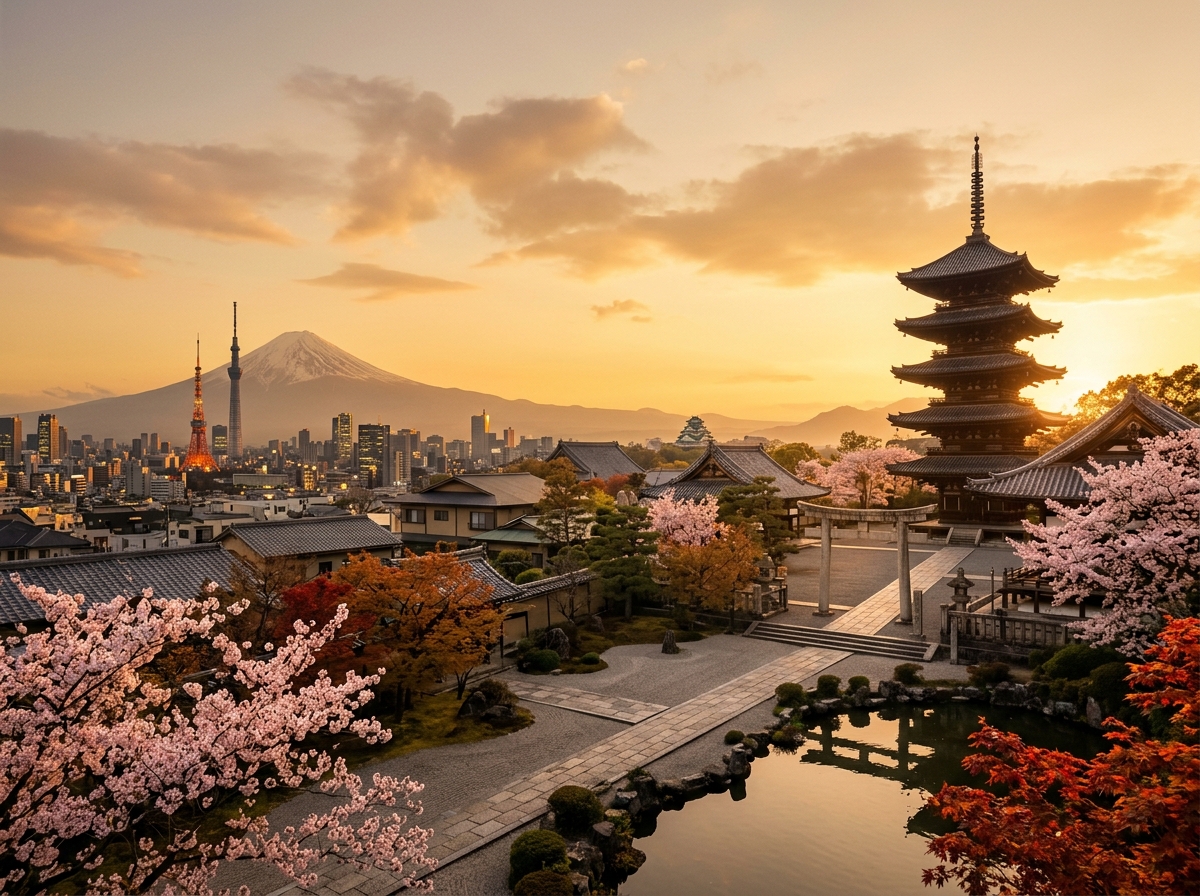
Planning your first time visit Japan guide doesn’t have to drain your savings or leave you overwhelmed by cultural differences. Japan offers incredible value for budget-conscious travelers who know where to look and how to navigate this fascinating country without breaking the bank.
From scoring affordable flights during off-peak seasons to discovering free cultural experiences that rival expensive tourist attractions, this comprehensive Japan travel guide covers everything first-time visitors need to know. You’ll learn practical money-saving strategies, essential cultural etiquette, and insider tips that transform an expensive dream trip into an affordable reality.
Know Before You Go: Essential Japan Planning
Japan operates on a completely different rhythm than Western countries, and understanding these fundamentals saves both money and stress during your visit.
Seasonal pricing matters significantly. Cherry blossom season (late March-May) and autumn foliage (October-November) command premium prices for flights and accommodations. January-February offers the best value, with flight prices dropping 30-40% compared to peak seasons. Summer brings intense heat and humidity but reasonable prices outside of August’s Obon holiday.
Cash dominates Japanese society. Many restaurants, temples, and local shops don’t accept cards. ATMs at 7-Eleven convenience stores and post offices accept international cards with minimal fees. Budget ¥3,000-5,000 ($20-35) daily for cash expenses.
Japan Wi-Fi connectivity has improved dramatically, but coverage gaps exist in rural areas and some traditional establishments. Rent a portable Wi-Fi device at the airport (¥300-500 per day) or purchase a data SIM card for reliable internet access throughout your trip.
Flight Booking Strategies That Save Hundreds
Strategic flight booking represents the largest potential savings on any Japan travel guide budget. London to Tokyo routes offer multiple airlines and booking opportunities that savvy travelers exploit.
Multi-city routing cuts costs significantly. Flying London-Seoul-Tokyo instead of direct routes can save £200-400, especially with Korean Air or Asiana Airlines. Seoul layovers last 2-14 hours, providing airport shopping opportunities without visa requirements.
Student discounts through agencies like STA Travel or specialized student travel sites offer additional 10-15% savings on already discounted fares. Flexible date searching reveals price variations of £100-300 within the same week.
Consider alternative airports. Narita (NRT) typically costs less than Haneda (HND) but requires longer transfer times to central Tokyo. Budget an extra ¥1,000-2,000 and 60-90 minutes for Narita Express or cheaper local trains.
Error fares and flash sales occur 2-3 times yearly on Japan routes. Subscribe to flight deal newsletters and set price alerts for immediate notifications when prices drop below your target threshold.
Ready to book your Japan adventure?
Compare live flight prices from London to Japan’s major airports
Search Flights Now →Complete Budget Breakdown for First Timers
Realistic budgeting prevents financial surprises and helps prioritize spending on experiences that matter most during your Japan travel adventure.
| Category | Budget Daily | Mid-range Daily | 7-Day Total (Budget) | Notes |
|---|---|---|---|---|
| Accommodation | ¥2,500-4,000 | ¥6,000-12,000 | ¥17,500-28,000 | Hostels to business hotels |
| Food | ¥2,000-3,500 | ¥4,000-6,000 | ¥14,000-24,500 | Convenience stores to restaurants |
| Transportation | ¥800-1,500 | ¥1,500-3,000 | ¥5,600-10,500 | Local trains vs JR Pass |
| Activities/Sights | ¥500-1,500 | ¥2,000-4,000 | ¥3,500-10,500 | Temples free, museums ¥300-1,500 |
| Shopping/Misc | ¥1,000-2,000 | ¥3,000-5,000 | ¥7,000-14,000 | Souvenirs and emergencies |
| Total | ¥6,800-12,500 | ¥16,500-30,000 | ¥47,600-87,500 | $320-590 for one week |
Hidden costs to factor in: Tourist tax (¥1,000 departure tax), luggage storage at major stations (¥300-600 per day), and shrine donations (¥100-500 is customary but not required).
Seasonal Pricing Strategies
Accommodation prices triple during cherry blossom season and Golden Week (late April-early May). Book alternative periods like early March for plum blossoms or late November for autumn colors at 40-60% lower costs.
Winter illuminations (December-February) offer spectacular free entertainment while hotel rates drop to yearly lows. Many outdoor activities remain accessible, and indoor attractions like museums and temples provide cultural immersion without weather concerns.
Japan Transportation: JR Pass vs Alternatives
Japan transportation systems work with clockwork precision, but choosing the right passes and routes requires understanding complex pricing structures and travel patterns.
JR Pass cost analysis. The 7-day ordinary pass costs ¥29,650 ($200). Tokyo-Kyoto-Osaka round trips alone cost ¥26,000+, making the pass worthwhile for multi-city itineraries. Single-city stays don’t justify JR Pass purchases.
Regional JR passes offer better value for focused itineraries. Tokyo Wide Pass (¥10,180 for 3 days) covers Mount Fuji, Nikko, and surrounding areas. Kansai Area Pass (¥2,800 for 1 day) handles Kyoto-Osaka-Nara transportation efficiently.
Alternative transportation options: Highway buses cost 50-70% less than trains but take 2-3x longer. Willer Express and JR Bus run comfortable overnight services between major cities for ¥3,000-8,000 per route.
Local subway day passes in Tokyo (¥800) and Osaka (¥600) provide unlimited rides within city centers. Combined with strategic walking, these passes cover most tourist attractions efficiently.
Japan navigation apps like Google Maps work excellently for train schedules and routes. Download offline maps before travel to avoid roaming charges and connectivity issues in rural areas.
Budget Accommodation Beyond Capsule Hotels
Budget accommodation alternatives extend far beyond the stereotypical capsule hotel experience, offering comfort and cultural immersion at reasonable prices.
Hostel options vary dramatically in quality and location. K’s House and Guest House chains maintain Western standards with English-speaking staff and international atmospheres. Dorm beds cost ¥2,500-4,500 in central areas, private rooms ¥6,000-9,000 nightly.
Compact business hotels in Osaka’s Shinsaibashi district offer exceptional value with modern amenities, central locations, and rooms starting around ¥8,000-12,000 per night.
Alternative accommodation types: Ryokan (traditional inns) in smaller cities cost ¥8,000-15,000 per person including breakfast and dinner. Temple stays (shukubo) offer unique cultural experiences for ¥6,000-10,000 with vegetarian meals included.
Airbnb operates legally in designated areas but verify licensing compliance. Unlicensed properties face shutdown risks, potentially disrupting your stay. Licensed properties display official registration numbers prominently.
University accommodations open to travelers during summer breaks (July-September) at ¥3,000-5,000 nightly. Contact international offices directly for availability and booking procedures.
Free Activities and Cultural Experiences
Free activities Japan offers rival expensive tourist attractions, providing authentic cultural experiences without admission fees or booking requirements.
Temple and shrine visits cost nothing beyond voluntary donations. Sensoji Temple in Tokyo, Fushimi Inari Shrine in Kyoto, and thousands of neighborhood shrines provide spiritual experiences and architectural beauty year-round.
Arashiyama Bamboo Grove in Kyoto offers one of Japan’s most photographed natural experiences completely free, accessible by train and perfect for morning or evening visits.
Free walking tours operate in major cities through volunteer organizations and cultural exchanges. Find free walking tours covering Tokyo neighborhoods, Kyoto’s traditional districts, and Osaka’s street food areas.
Public parks transform seasonally into spectacular displays. Ueno Park in Tokyo, Maruyama Park in Kyoto, and Osaka Castle Park offer picnic areas, seasonal flowers, and people-watching opportunities without entry fees.
Cultural festivals occur monthly in every region, featuring traditional performances, food stalls, and local crafts. Matsuri calendars available at tourist information centers highlight upcoming celebrations during your visit dates.
Department store basement food courts (depachika) provide free samples of high-quality Japanese foods, sweets, and regional specialties. Major stores like Mitsukoshi, Takashimaya, and Isetan offer extensive sampling opportunities.
Culture and Customs: Essential Etiquette
Japan customs culture emphasizes respect, consideration, and harmony in daily interactions. Understanding basic etiquette prevents embarrassing situations and enhances local interactions significantly.
Bowing replaces handshakes in most situations. Slight head nods suffice for casual interactions, deeper bows for formal situations. Don’t bow while holding items or eating, and avoid prolonged eye contact during bowing.
Shoe removal occurs at temples, ryokan, traditional restaurants, and many homes. Wear clean socks without holes, and arrange shoes pointing toward the exit when removing them indoors.
Public behavior expectations: Avoid eating while walking, keep phone conversations brief and quiet, offer seats to elderly passengers, and maintain personal space in crowded areas.
Gift-giving culture involves bringing omiyage (local souvenirs) when visiting friends or colleagues. Department store gift wrapping services are free and presentation matters significantly in Japanese culture.
Japan etiquette for temples includes making small donations (¥100-500), clapping twice after donations at shrines, and avoiding flash photography inside sacred buildings. Remove hats and maintain quiet respectful behavior throughout visits.
Communication Tips for First Timers
English proficiency varies dramatically by location and generation. Tourist areas have English signage and staff, rural areas require basic Japanese phrases or translation apps for communication.
Learn essential phrases: “Arigato gozaimasu” (thank you), “Sumimasen” (excuse me/sorry), “Eigo ga dekimasu ka?” (do you speak English?), and “Wakarimasen” (I don’t understand). Effort to speak Japanese is appreciated even with poor pronunciation.
Japan Food Guide for Budget Travelers
Japan food guide reveals how to experience incredible cuisine without expensive restaurant bills, from convenience store meals rivaling restaurant quality to street food adventures.
Convenience store meals offer exceptional value and quality. 7-Eleven, Lawson, and FamilyMart serve fresh onigiri (rice balls) for ¥100-200, complete bento boxes for ¥400-600, and hot foods like karaage chicken and yakitori.
Ramen shops provide filling meals for ¥600-1,200, with vending machine ordering systems eliminating language barriers. Look for lines of local workers during lunch hours—they indicate authentic quality at reasonable prices.
Sushi pricing varies enormously by location and style. Conveyor belt sushi chains like Sushiro and Kura Sushi charge ¥100-200 per plate with excellent quality. Traditional sushi counters start around ¥3,000 for lunch sets, ¥8,000+ for dinner omakase experiences.
Street food concentrates around train stations, festival areas, and traditional markets. Takoyaki in Osaka (¥400-600), taiyaki fish-shaped pastries (¥200-300), and yakitori under railway bridges provide authentic local experiences.
Drinking culture and costs: Vending machines offer hot and cold beverages for ¥100-150. Avoid hotel and tourist area machines which charge premium prices. Tea houses and coffee shops range from ¥300 budget chains to ¥800+ specialty cafes.
Day trips from major cities to places like Mie Prefecture often feature regional specialties unavailable elsewhere, providing authentic food experiences beyond typical tourist destinations.
Packing Essentials for Japan Travel
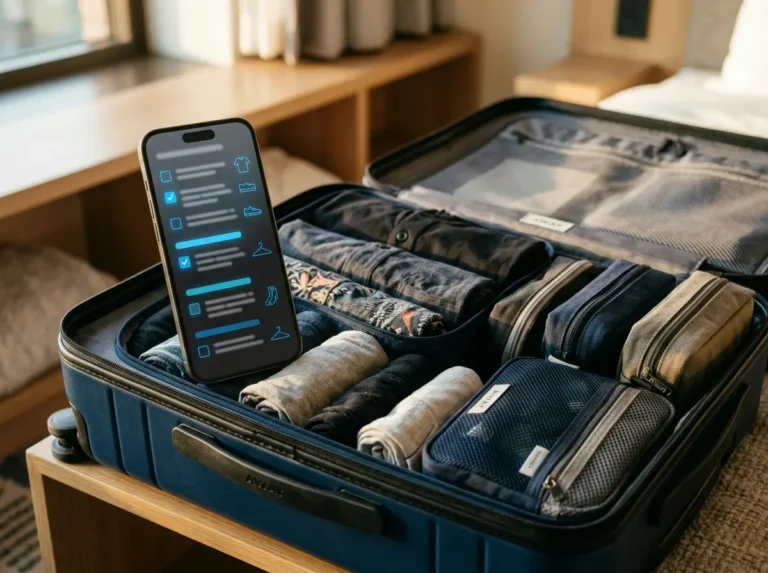
Japan packing list priorities differ significantly from typical international travel due to unique cultural expectations, seasonal weather patterns, and infrastructure considerations.
Footwear considerations are crucial. Pack comfortable walking shoes for extensive urban exploration, plus slip-on shoes for frequent removal at temples, restaurants, and accommodations. Avoid complicated lacing systems that slow down shoe removal processes.
Portable Wi-Fi devices and power banks become essential for navigation and translation app usage. Japanese outlets use Type A plugs (same as USA), but voltage differs at 100V requiring appropriate adapters for some devices.
Seasonal clothing requirements vary dramatically: Summer demands moisture-wicking fabrics, portable fans, and sun protection for extreme humidity. Winter requires layering systems for indoor/outdoor temperature differences and waterproof footwear for snow.
Cash storage solutions need consideration for Japan’s cash-dependent society. Money belts, multiple wallet distribution, and secure accommodation storage prevent total loss if theft occurs.
Prescription medications require advance planning and documentation. Bring original prescription bottles, doctor’s letters in English, and research import restrictions through embassy websites before departure.
Cultural sensitivity items: Conservative clothing for temple visits, small gifts from your home country for homestays or cultural exchanges, and business cards if conducting any professional activities during travel.
Travel insurance recommendations include coverage for natural disasters (earthquakes, typhoons), medical evacuation, and trip interruption due to transportation delays. Japan’s medical costs are high for uninsured travelers.
Planning your first time visit Japan guide becomes manageable when broken into strategic components: smart flight booking, realistic budgeting, cultural preparation, and practical packing. This comprehensive approach transforms an overwhelming destination into an accessible adventure that respects both your budget and local customs.
Japan rewards travelers who research, plan strategically, and remain flexible with pricing opportunities. The country offers incredible value through free cultural experiences, excellent budget food options, and efficient transportation systems that make every yen count toward unforgettable memories.